
When off road coilover shocks start blowing seals, the instinct is to reach for a rebuild kit, but the fix often runs deeper than fresh rubber. In more than two decades of shock absorber engineering, I have seen failures that were wrongly blamed on aggressive riding, when the real chain began with bore finish, seal material compatibility, and contamination management. Understanding what actually caused the seal to surrender prevents you from repeating the same rebuild cycle every season. This article breaks down the common failure mechanisms, shows how to diagnose the root issue, and walks through the engineering steps that keep seals intact after the work is done.
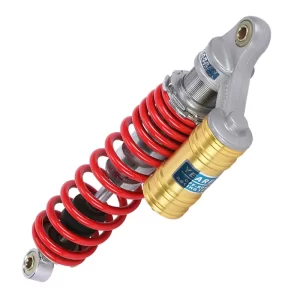
Identifying the Root Cause of Coilover Seal Failure
Most off road coilover seal blowouts trace back to shaft surface damage, heat-induced oil degradation, or dirt ingress past the wiper seal. The table below maps typical failure modes to what you will notice on the vehicle.
| Cause | What You Notice | What Happens Inside |
|---|---|---|
| Shaft scoring or pitting | Oil film on the chrome shaft, visible scratches | Seal lip wears unevenly; gas pressure pushes oil past |
| Overheated shock oil | Damping fades, seal area hot, oil turns dark | Oil thins, seal material hardens, lip loses compliance |
| Dirt-packed wiper seal | Oil leak despite a clean shaft, grit on wiper | Abrasive particles attack the main seal lip |
| Incorrect nitrogen pressure | Harsh ride or bottoming, oil aeration | Overpressure distorts seal; underpressure lets oil foam and cavitate |
A blown seal rarely hides. After a ride, look for a thin film of oil coating the shaft, especially near the seal head. If the shock body is wet but the shaft looks clean, pull the dust boot back and inspect whether the wiper is packed with dried mud — sometimes the external leak is only wiper bypass. With the vehicle lifted and the shock unloaded, push the corner down and release. A shock with a failed seal often feels like it has no compression resistance until the oil settles, or you may hear a squeal as gas escapes past the lip. For gas-charged coilovers, a complete seal failure releases the nitrogen charge. Check pressure with a gauge after the shock has cooled; if it has dropped significantly from spec, the seal is no longer holding the barrier.
Bore Finish, Seal Material, and the Contamination Factor
Seal lips fail not in isolation, but because the surface they ride on or the dirt they trap overwhelms their design limits. Two engineering details dominate here.
Shaft Surface Finish and Seal Life
Chrome-plated shafts are standard on off road coilover shocks, but the surface roughness after grinding varies considerably between mass-produced and quality-manufactured dampers. If the Ra exceeds 0.15 μm, the microscopic peaks act as sandpaper on the seal lip. I have measured returned shafts with Ra 0.4 μm — the seal lip had worn flat in under 30 hours of desert running. A shaft finished to 0.08 to 0.10 μm allows the seal lip to hydroplane on a micro-film of oil instead of dragging dry, which is why we hold that tolerance in production. Before installing a new seal kit, run your fingernail along the shaft; if you catch a ridge or feel a rough patch, the shaft needs polishing or replacement before the new seal can survive.
Choosing the Right Seal Material for Off-Road Dust and Mud
Standard nitrile seals work for street shocks but harden above 120 °C, a temperature common on a coilover running fast over whoops. For off-road use, fluorocarbon (Viton) seals extend the operating range to 200 °C and resist chemical breakdown from the higher-performance shock oils. The wiper seal, the external barrier that scrapes dirt off the shaft, is equally critical. A double-lip or triple-lip wiper loaded with grease between the lips forms a far better dirt barrier than a thin single lip. In our off-road coilover product line, we pair a Viton main seal with a polyurethane triple-lip wiper specifically to handle fine silica dust and sticky mud without losing exclusion over a season.
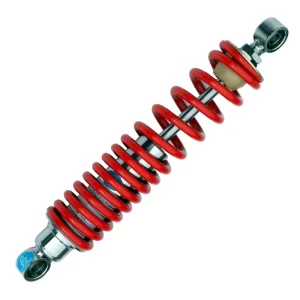
If your program sees repeated seal failures across multiple units even after you have addressed shaft condition and seal material, the root cause may lie in the housing bore finish or the concentricity of the seal head to the shaft. At that stage it is worth having a batch of dampers inspected dimensionally. Our engineering team at Yearben can review your current shock specifications and usage data to identify manufacturing tolerance issues before your next production order. Reach out at info@yearbenshocks.com.
How to Rebuild an Off Road Coilover Shock After a Seal Blowout
Rebuilding a blown coilover is a methodical job that rewards cleanliness. The process is similar across emulsion and piggyback designs, but always obtain the correct seal kit and nitrogen fill adapter for your model.
Start by releasing the nitrogen pressure through the Schrader valve, then compress the spring with a proper coil spring compressor until the retainer can be removed. Slide the spring and hardware off the body. Unscrew the seal head using the specified pin wrench. Pull the shaft and piston assembly out gently; do not let the piston drag against the bore if you intend to reuse the piston band.
With the shaft out, inspect the chrome surface under bright light. Any gray bands, pockmarks, or grooves that catch a fingernail mean the shaft must be replaced or professionally re-chromed. A new seal on a damaged shaft will leak within a few hard rides. Clean the shaft and piston assembly with fresh shock oil and blow off any fibers before installing the new seal components. Replace the main seal, wiper seal, seal head O-ring, and piston band as a set. Position the new seal lip with the spring side facing inward, lubricate the lip with shock oil, and carefully slide the shaft back through to avoid cutting the lip on the shaft step.
Thread the seal head into the body by hand, then torque to spec. Refill the shock with the correct quantity of fresh oil, working the shaft slowly to bleed air from the piston. Once oil is full and air-free, attach the nitrogen fitting and pressurize to the manufacturer’s recommended value — typically 150 to 250 psi for off-road coilovers. Reinstall the spring and adjust preload.
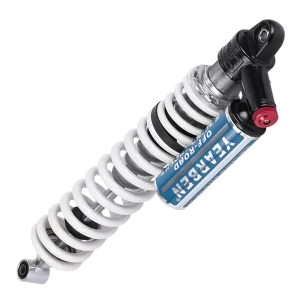
Preventing Repeat Seal Failures and Knowing When to Replace Your Shocks
Maintenance Practices That Extend Seal Life
Wash the shock shafts and seal heads with a gentle stream of water after muddy or dusty rides so that dried grit does not work under the wiper lip the next time the suspension cycles. Replace the wiper seal annually on heavily used vehicles even if the main seal is not leaking — the wiper is a sacrificial barrier. Monitor nitrogen pressure every few months; a gradual drop signals small seal bypass that will worsen. When buying a new set of shocks, specify a shaft surface finish of Ra 0.10 μm or better and a temperature-certified seal material. Quality off road coilover shocks from manufacturers that document their bore tolerances and seal certifications simply fail at a lower rate, and the difference shows up in fewer rebuilds over the life of the ATV or UTV.
When Replacement Beats Rebuilding
A rebuild is correct when the shaft is clean, the body is straight, and the bore is smooth. But if the shock body shows dents or the seal head threads are stripped, the damper’s structural integrity is gone. If the bore has been scored by a failed piston band, the new piston ring will wear quickly and the damper will never meter oil consistently again. When you add the cost of a rebuild kit, fresh oil, nitrogen, and several hours of labor, a new off road coilover shock from a factory that offers custom valving and spring rates can be a better long-term value than rebuilding a worn core. For fleet operators and racers, swapping in factory-fresh units and keeping the old ones as emergency spares often reduces overall downtime.
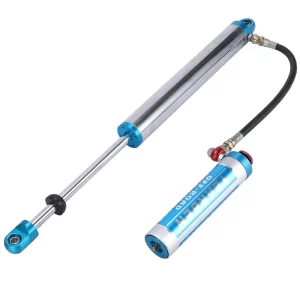
If Seals Keep Blowing, Look Deeper Than the Rebuild
What feels like a chronic maintenance problem is often a manufacturing quality signal. When off road coilover shocks blow seals repeatedly even after careful rebuilds with proper seal kits and fresh oil, the odds are high that the shaft surface or the bore finish is outside the tolerance window those seals need. No amount of cleaning or upgraded oil can compensate for a rough chrome finish that eats seal lips every 20 hours.
At Yearben, we engineer our off-road dampers with a factory perspective that prioritizes seal durability from the first drawing. Our chrome-plated shafts are ground to a controlled roughness, and we select Viton main seals and multi-lip wipers based on the actual dust environment the shock will operate in, not a generic catalog specification. If you are tired of chasing seal failures, send your shock dimensions, spring rate, and typical riding conditions to info@yearbenshocks.com, or call +86-523-86566899 to discuss a suspension solution that reduces rebuild frequency from the factory floor up.
Common Questions About Off Road Coilover Seal Failure
Are aftermarket seal kits as good as the original seals?
Aftermarket seal kits vary widely, and many use general-purpose nitrile seals that cannot handle the heat of hard off-road running. Matching the original seal material is the first rule; if the factory seal was Viton, replacing it with a standard nitrile seal will guarantee another failure. Check the kit’s temperature rating and lip design before buying.
How often should off-road shocks be serviced to prevent seal blowouts?
For recreational trail riding, a visual inspection every 30 hours and a full oil-and-seal service at 80 to 100 hours keeps the seals healthy. Desert racing and dune bashing accelerate wear dramatically — I suggest replacing the wiper seal and checking nitrogen pressure every two race weekends. The key metric is not hours but how much dirt accumulates on the shaft after a ride.
Does a remote reservoir prevent coilover seal failure?
A remote reservoir does not prevent seal failure directly, but it helps by pulling heat out of the shock oil, which reduces the temperature at the seal head. Cooler oil means the seal material stays more resilient and less prone to hardening. The reservoir itself has its own floating piston with seals; if those fail, pressure balance is lost and oil aeration can still damage the main damper seals.
At what point is it smarter to replace the entire coilover rather than rebuild?
When the shaft is scored beyond polishing, the shock body is dented, or the bore is scratched, rebuilding is throwing money at a core that will never perform consistently. A hard guideline we use internally: if the shaft roughness exceeds Ra 0.3 μm after polishing or the body runout is over 0.1 mm, the unit is not a good rebuild candidate. At that stage, a factory-fresh coilover with documented tolerances gives you a known starting point. If you want to send in your old shock specifications and riding demands, we can confirm whether a new production unit would be a more cost-efficient path. Reach out to info@yearbenshocks.com.
If you’re interested, check out these related articles:
Fixed-Preload-Atv-Shock-Absorbers
Triple-Bypass-Shock-For-Off-Road
Damping-Adjustable-Shock-Absorber
Adjustable-Hydraulic-Shock-Absorbers
Utv-Shocks-For-Off-Road