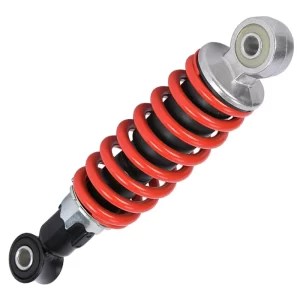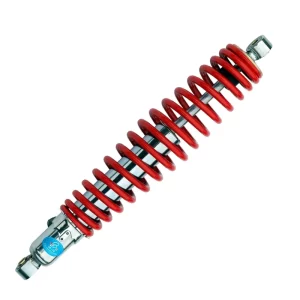
Most off-road buyers reduce the bypass shock decision to a simple tube count, but that misses the point. A 2-tube bypass shock and a 3-tube bypass shock differ less in raw damping force than in where that force is metered and when it becomes available. In my experience specifying and tuning bypass shocks at Yearben, I would pick a 2-tube design for short-course or UTV work and reserve a 3-tube design for sustained desert or trophy truck speeds that justify the added zones. This article explains the tube layouts, zone timing, and factory specification questions behind 2-tube vs 3-tube bypass shocks.
What Separates a 2-Tube Bypass Shock from a 3-Tube Design?
Both designs start with the same idea: a shock body with external tubes that bypass the main piston at set points in the stroke. The difference is how many separate zones you can tune independently. A 2-tube bypass shock gives you two external circuits, usually one for compression and one for rebound. A 3-tube bypass shock adds a third circuit, which most desert programs use as a second compression zone. The extra tube does not change the shock’s maximum force by itself; it changes the shape of the damping curve. For a first-time bypass buyer, the 2-tube vs 3-tube bypass shock question often starts with price, but the engineering decision sits in the port map.
| Feature | 2-Tube Bypass Shock | 3-Tube Bypass Shock |
|---|---|---|
| External bypass tubes | 2 | 3 |
| Typical zone split | One compression, one rebound | Two compression, one rebound |
| Best application | UTVs, short course, lighter builds | Desert racing, trophy trucks, high sustained speeds |
| Tuning workload | Lower, easier to establish a baseline | Higher, with more cross-talk between adjacent zones |
| Production complexity | Fewer valve circuits and hose routings | More tube placement, hose routing, and gas charging steps |
At Yearben we machine bypass tube ports into the body at customer-specified positions. The most common production mistake is treating the third tube as a universal upgrade without checking where the port will sit relative to ride height and bump travel. That placement decision matters more than the raw tube count.
Where Does Each Tube Control Compression and Rebound?
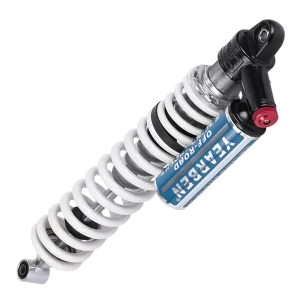
Bypass tube position is the actual tuning map. The main piston manages the broad damping curve. As the shaft moves, the piston passes tube ports in the body, and each port opens a separate oil path around the piston. Early ports work in the first part of travel; deeper ports come in near maximum compression. That is why two shocks with the same tube count can behave completely differently. Tube count only tells you how many zone windows exist, not how wide or where they sit.
Compression Zone Timing
Most 2-tube designs place one compression port in the middle of the stroke. A 3-tube design usually splits compression between a mid-stroke port and a later bump-zone port. That second compression zone is useful when the vehicle spends a lot of time in the last third of travel, because it resists bottoming without making the early stroke too stiff.
Rebound Zone Timing
Rebound is usually handled by one tube in both layouts. The real decision is how much rebound bleed is built in before the tube port opens. Too much early bleed causes the vehicle to pitch forward after hard braking. Too little makes the rear feel slow to settle. I prefer starting with a conservative rebound setting and removing bleed in small steps rather than chasing a wider range from the start.
Why Does the Third Tube Keep Working When Others Fade?
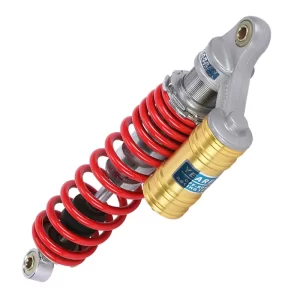
Oil temperature changes the whole conversation. After long desert runs, damping oil thins and the main piston’s low-speed control drops off. The valves in a bypass shock also heat up, which moves their pressure thresholds. A third tube matters most here because it gives the shock a separate high-speed path. Instead of asking one compression circuit to cover both mid-stroke and hard bottoming, the 3-tube design spreads that work across two ports and two valve stacks. The shock runs cooler, and the damping curve stays closer to the chassis setup for the whole run. In our validation runs we watch shaft speed and body temperature together. A 2-tube shock can still work well, but it reaches heat-related damping change earlier when the vehicle is heavy or the course is fast.
If your program involves long desert runs or heavy vehicles, it is worth confirming tube placement and valve cross-talk before you lock the BOM. Send vehicle weight, travel, and expected top speed to info@yearbenshocks.com and we can check the zone map against your course profile.
When Is a 2-Tube Bypass Shock the Smarter Purchase?
A 2-tube bypass shock is usually the better purchase when the vehicle is light, the courses are short, or the driver needs a simpler baseline to tune. For a UTV or a short-course truck that cycles between acceleration and hard braking, the third compression zone often goes unused. The added adjustment range becomes another variable rather than a usable tool. I would also choose a 2-tube layout for prototype builds and first-year race programs. Fewer zones mean fewer tests to find a consistent setup, and the cost and production lead time stay controlled. For many teams, the 2-tube vs 3-tube bypass shock decision boils down to course speed and test time. A 3-tube shock makes sense when the vehicle is heavy, top speeds stay high for long stretches, and the team has enough test time to work through zone overlap.
What Should You Confirm Before Specifying a Bypass Shock Build?
Before you send a quote request, lock these inputs: vehicle type, sprung weight, total travel, ride height, shaft diameter, reservoir location, and the speed range the vehicle sees most often. The tube count follows those inputs; it is not the starting point. We also recommend naming the course or use case, because a shock tuned for desert whoops will not behave the same in a short-course rhythm section. Yearben builds bypass shocks to the vehicle’s actual motion profile, including tube port placement, valve stack configuration, and nitrogen charge. If you are still deciding between two and three tubes, send your vehicle weight, travel, and top speed to info@yearbenshocks.com or call +86-523-86566899. We will return a tube count recommendation with the port placement logic, not just a catalog quote.
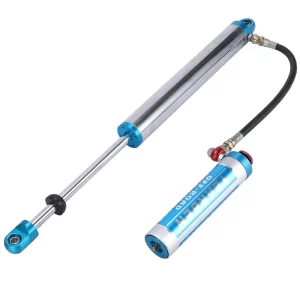
What Else Should Buyers Ask About 2-Tube vs 3-Tube Bypass Shocks?
Can I Convert a 2-Tube Bypass Shock to 3-Tube Later?
No. Adding a third tube later means replacing the body, machining new ports, adding a tube and hose, re-valving, and re-testing. The body is already ported for the existing circuit layout. In most cases the labor cost is close to a new shock. If there is any chance the vehicle will move to faster desert events, it is better to decide before the body is machined.
Do More Tubes Always Give More Damping Force?
A common mistake is assuming a third tube doubles damping force. It does not. The main piston and valve stacks set the force envelope. Tubes change the shape of the damping curve by opening bypass paths at specific stroke positions. A poorly placed third tube can make a shock feel softer in the mid-stroke while doing nothing for bottoming control. The benefit comes from the port location and valve calibration, not the tube count alone.
Which Tube Count Is Better for a UTV Build?
It depends on vehicle weight and top speed. For most UTVs with moderate travel and trail or short-course use, a 2-tube layout is easier to live with and faster to tune. If the UTV runs desert laps at high sustained speed with heavy gear and repeated hard landings, a 3-tube layout gives a second compression zone that reduces late-stroke harshness.
What Information Do I Need to Request a Bypass Shock Quote?
The better question is not how many tubes, but what motion profile the shock must manage. We ask for vehicle type, sprung weight, travel, ride height, shaft diameter, reservoir preference, and the fastest sections of the course. With those inputs we can recommend whether a 2-tube or 3-tube layout will earn its complexity. Send vehicle weight, travel, and top speed to info@yearbenshocks.com and we will confirm the recommended tube layout and production lead time.
If you’re interested, check out these related articles:
Hydraulic-Steering-Damper
Aluminum-Utv-Shock-Absorber
Twin-Tube-Hydraulic-Seat-Damper-28MM