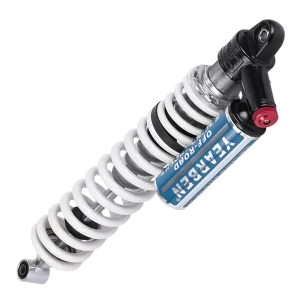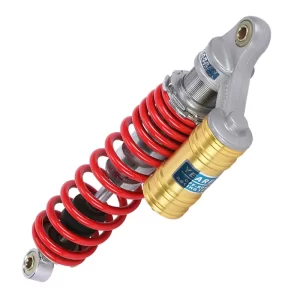
A hydraulic damper is a sealed cylinder that resists motion by forcing oil through controlled passages. The resistance, called damping force, rises with piston speed, which is why a damper can feel supple over slow undulations but firm during a sharp impact. In seat suspension, steering systems, and mower decks, this speed dependent behavior matters more than spring rate. I have spent over twenty years tuning these components, and the recurring problem is rarely the basic concept. It is how the cylinder diameter, piston valving, and stroke were specified before the first sample was built.
What Does a Hydraulic Damper Actually Do?
A hydraulic damper controls how fast a suspension or seat moves. It does not carry static load on its own; that task falls to the spring, cushion, or structure. The damper adds a velocity dependent resistance that stops the system from oscillating after an impact. Without it, a seat suspension would bounce repeatedly after a rut, and a steering system would kick back through the handlebar after a rock strike.
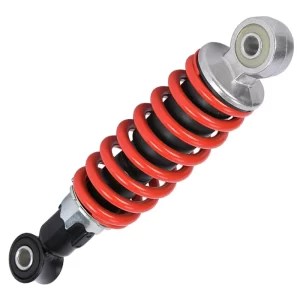
I evaluate damping behavior on a dyno, but the practical test is simpler: push the shaft and feel whether resistance builds smoothly. A well built damper produces immediate resistance at low speed and a progressive increase as shaft speed rises. Poor valving shows up as a dead spot at the start of travel or a sudden spike that rattles the mount. The difference comes from how the piston and valve stack manage fluid pressure, not from the oil alone.
Most buyers first notice a hydraulic damper when something wears out. A seat that bottoms over sharp bumps or a mower deck that bounces through rough grass usually points to damping that no longer matches the load. Replacing the unit with the same part number often repeats the problem if the operating weight or mounting angle changed.
How Does a Hydraulic Damper Generate Damping Force?
Damping force begins with flow restriction. The piston moves through oil inside a closed cylinder. Because oil is nearly incompressible, it cannot escape quickly through the piston valve. Pressure builds in front of the piston and drops behind it. That pressure difference, multiplied by the piston area, is the damping force. The relationship is linear in area but nonlinear with speed. Doubling the piston diameter changes force roughly four times for the same pressure drop. That is why a 38 mm seat damper behaves so differently from a 24 mm unit, even when both look similar.
Rebound and compression are rarely symmetrical. A seat damper usually needs more rebound control than compression control so the suspension returns to ride height without launching the occupant. A steering damper, by contrast, is often tuned nearly symmetrical because kickback arrives from both directions. We set these curves by selecting orifice sizes, valve washers, and bleed paths during prototyping. The fluid’s viscosity also matters. Thin oil reduces low speed control and makes a damper temperature sensitive. Slightly heavier oil preserves the curve but raises seal drag in cold starts.
A hydraulic damper is an energy converter. Every input it absorbs becomes heat. In short travel applications, the heat is harmless. In high cycle fitness equipment or commercial mower decks, continuous cycling can raise fluid temperature enough to thin the oil. That is one reason we ask about duty cycle before finalizing valving.
How Do Cylinder Diameter and Stroke Set Load Capacity?
The two dimensions that decide most of a hydraulic damper’s behavior are cylinder bore and stroke. Bore sets the force ceiling for a given pressure; stroke defines how far the system can travel before it hits a limit. Buyers often overspecify both, which creates a damper that fits but rides harshly.
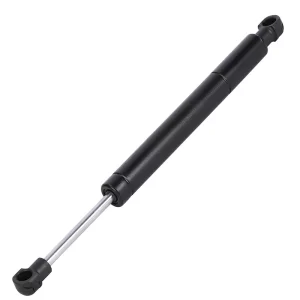
The table below reflects the range we commonly build for seat, steering, and mower systems. These are not fixed rules, but they show how load and packaging drive the choices.
| Cylinder Diameter | Typical Application | Damping Character |
| 18 mm | lawn mower steering, light seats | low force, tight packaging |
| 24 mm | seat dampers, utility steering | moderate force, common OEM fit |
| 35 mm | heavy duty seats, mower decks | high force, longer service life |
| 38 mm | heavy equipment seat suspensions | high load, larger oil volume |
| 41.5 mm | adjustable seat dampers | wide tuning range, heavier frame |
A 24 mm damper can be tuned to feel firm, but it cannot hold peak pressure as long as a 38 mm body because the oil volume is smaller and heat builds faster. Stroke is equally important. If the seat travel is 80 mm, a damper with 60 mm stroke will bottom internally and destroy the seal over time. We measure both dimensions on the application before quoting, and we keep the limits in the sample report.
How Do Seat Dampers Differ from Off-Road Shocks?
Seat dampers and off-road shocks look similar from the outside, but the tuning targets are not the same. An off-road shock absorbs large, high speed impacts and needs enough oil volume and cooling to survive long runs. A seat damper handles smaller inputs, often below 100 mm of travel, and spends its life at low to medium shaft speeds. That changes the valving. If you put an off-road curve into a seat damper, the seat feels locked over small ripples and fatigues the driver. If you put a seat curve into an off-road shock, the vehicle wallows and loses control in rough terrain.
Hydraulic dampers for steering sit closer to the off-road world in response speed but closer to seat dampers in packaging. A lawn mower steering damper has to reduce kickback without making the wheel hard to turn at the yard. We often set these with a narrow low speed bleed so normal steering stays light, then a firmer high speed stack for the hit.
If your application carries variable weight or cycles continuously, the bore, stroke, and valving must be confirmed on a dyno curve before you sign a catalog part number. Send your operating load and travel to info@yearbenshocks.com and we will check the curve against the damper you are quoting.
What Should Procurement Teams Specify Before Ordering?
The inquiry we receive most often lists only a part number. That works for a direct replacement, but it does not tell us whether the original damper was right for the application. Before ordering, we ask for four values: static load on the damper, full stroke from the mounting geometry, dominant shaft speed range, and duty cycle in hours per day. These four numbers expose most mismatch failures before tooling begins.
Mounting matters as much as valving. A seat damper installed at a steep angle experiences side load that wears the guide bushing and causes early leakage. We often change the end fitting or add a bushing when the customer sends the assembly drawing. Shaft finish and seal compatibility also follow from the application. For a mower deck that runs wet and dirty, we specify a wiper seal and plated shaft. For indoor fitness equipment, the priority is low breakaway friction and noise control.
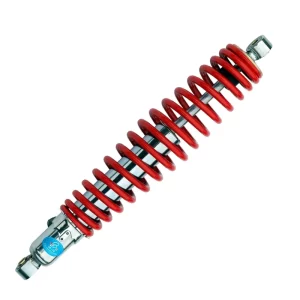
If your team is comparing a catalog damper against a custom build, the decision usually comes down to three costs: tooling, lead time, and life test. A catalog unit ships faster but locks you into an existing curve. A custom unit takes longer but can match the actual load and packaging. We keep both paths, and we tell customers when the catalog part is the better engineering choice.
When a seat or steering system keeps wearing dampers before the warranty period, the failure is often a specification mismatch, not a manufacturing defect. Send the part number, mounting drawing, and operating load to info@yearbenshocks.com or call +86-523-86566899, and we will confirm whether the damping curve and stroke match the application before you commit to a production order.
What Else Do Buyers Ask About Hydraulic Dampers?
How long can a hydraulic damper last in a seat suspension?
A properly specified seat damper should outlast the seat cushion in a commercial vehicle. We typically expect the damper to survive the seat’s full service interval if the load, stroke, and mounting angle match the original design. The failure that shortens life is side load from a bent track or an oversprung seat, which wears the guide bushing and creates shaft play. Once the shaft begins to rock, the seal loses contact and oil leaks out.
Can one hydraulic damper cover both compression and rebound?
A common wrong assumption is that a damper works the same in both directions. In practice, almost all hydraulic dampers have separate compression and rebound tuning because the spring stores energy and returns it through rebound. A seat damper often uses lighter compression valving for a soft impact and stronger rebound control to stop the occupant from being thrown upward. The two curves are built into the piston, so balancing them is a design choice, not a fixed property.
Why does the same damper feel different in cold weather?
It depends on the fluid viscosity and seal material. Thin oil becomes thicker at low temperature, which raises breakaway force and makes the first movement feel stiff. Elastomer seals also lose some flexibility in the cold, adding drag before the shaft starts moving. For equipment stored outdoors, we specify lower viscosity fluid and low temperature seal compounds. The tradeoff is a slight reduction in high temperature control after long cycling.
Should we replace a leaking hydraulic damper or repair it?
For small seat and steering dampers, replacement is almost always the more reliable path. The cylinder bodies are usually crimped or welded closed, and repair costs often exceed the price of a new unit. In seat damper returns we inspect at the factory, more than half of leaks trace back to side load or stroke mismatch rather than a seal defect. If you are not sure whether the leak is a seal issue or a mounting problem, send a photo and the mounting drawing to info@yearbenshocks.com and we will identify the failure before you reorder.
If you’re interested, check out these related articles:
Hydraulic-Seat-Damper-Cylinder-Diameter-24MM
Triple-Bypass-Shock-For-Off-Road