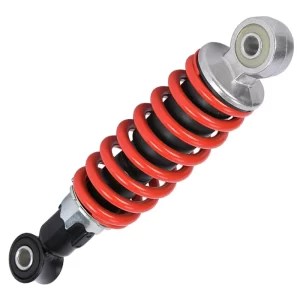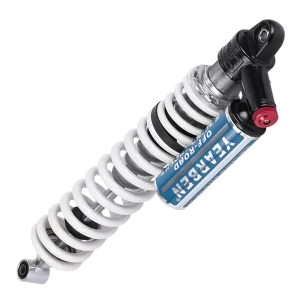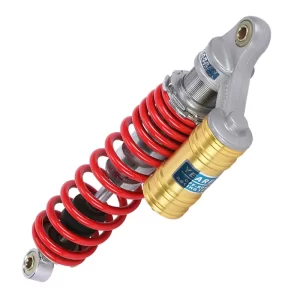
Heavy Duty Seat Damper OEM selection starts with load data, not seat model numbers. In damper programs we have run for mining, construction, and truck seat suppliers, the same seat frame can pass durability with a 35 mm unit at one operator weight and fail when a heavier operator enters the same cab. That gap is why weight range belongs at the front of the spec sheet. This reference translates operator weight, seat frame geometry, and operating shock into cylinder diameter, stroke, damping force, and the validation checks a procurement team should request before locking in a heavy duty seat damper supplier.
What Does a Heavy Duty Seat Damper Really Carry?
A heavy duty seat damper carries more than the operator. It controls the vertical motion between the seat upper frame and the base, so the load it sees has three parts: static seat top mass, static operator mass, and the peak load generated when the cab accelerates upward or the machine drops into a rut. On a smooth highway seat, the peak load may only briefly exceed static load. On a mining or construction seat, the same damper may cycle thousands of times per shift through abrupt bump stops and rebound strokes.
Many buyers look at the operator weight printed in the seat catalog and stop there. That misses the seat top mass and the linkage ratio. A seat with a heavy suspension mechanism and a high motion ratio can multiply the effective load at the damper. We have seen a 28 mm damper overheat in a construction loader because the buyer treated seat width and slider travel as the only constraints and ignored the operator mass plus the seat top and side load from a worn pivot.
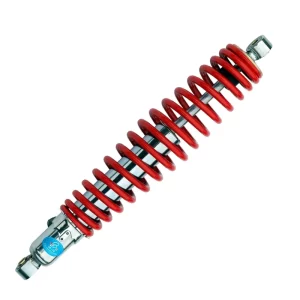
The damper needs enough oil volume and piston area to absorb that repeated energy without fading. If the cylinder is too small, the unit may still move the seat, but it works near the top of its pressure range for too much of the day. That shortens seal life and produces a harsher ride before the first bushing wears out.
How Do You Convert Seat Weight Into Damper Specs?
Start with two numbers: the heaviest operator mass the fleet must accommodate and the seat top mass above the damper. Add them, then apply a peak load multiplier from the operating environment. For rough duty cabs, we use a multiplier of 2.5 to 3.5 when sizing a heavy duty seat damper. A highway truck seat on smooth roads may use 1.5 to 2.0. The result is not the exact force at every stroke; it is the design envelope that forces the cylinder diameter and valving decision.
From that load, four specs fall out in this order.
- Confirm seat suspension travel and the stroke the damper must cover with the linkage ratio.
- Convert the combined mass and multiplier into a peak load figure for the damper.
- Choose a cylinder diameter with enough oil volume and piston area to hold the required damping curve across stroke speeds.
- Specify the end fittings after the hydraulic side is set, not before.
What Happens When a Heavy Operator Enters a Standard Seat?
The standard seat does not collapse immediately. It loses control. A damper sized for a lighter operator reaches the end of its useful travel sooner, builds pressure faster, and passes more shock into the operator and the seat frame. Over a shift, that repeated harshness shows up as seal leakage, bushing play, and operator complaints about the seat feeling soft at one moment and rigid the next.
How Do You Size for a Broad Operator Weight Range?
A broad operator range rarely means the cylinder gets oversized. It means the damping curve has to be shaped for the heavy end while still allowing movement at the light end. If the spread is wide, we look at adjustable valving or a larger cylinder with a softer low speed curve. The piston design matters as much as the cylinder diameter here, because the valve stack controls how quickly pressure builds at different stroke speeds.
Which Heavy Duty Seat Damper Cylinder Sizes Match Each Weight Range?
Cylinder diameter affects how much oil the piston displaces and how much heat the unit can reject. Larger cylinders handle heavier load bands and longer stroke speeds with less pressure spike. The table below is the working layout we use for OEM seat programs, not a universal replacement chart.
| Cylinder diameter | Typical operator mass band | Best seat application | Key sizing consideration |
|---|---|---|---|
| 24 mm | up to roughly 90 kg | compact equipment, mower seats, light utility vehicles | short travel, smooth to moderate surface |
| 28 mm | roughly 80 to 120 kg | truck seats, NEV and electric bus seats | good balance for highway and city duty |
| 35 mm | roughly 110 to 150 kg | construction, agriculture, heavy utility seats | handles side load better than 28 mm |
| 38 mm | roughly 130 to 180 kg | mining shovels, off-highway haul trucks, heavy equipment seats | heat rejection and long full stroke cycles |
| 41.5 mm | broad ranges, 60 to 180 kg with adjustable valving | premium seat OEM platforms needing one unit across fleets | tunable curve and large oil volume |
These bands assume a seated operator and a properly aligned seat suspension. If the machine operates at extreme angles or the seat pivot is worn, side load can exceed the band even though the operator mass looks normal. For production programs, we validate the selected cylinder on a full seat assembly because the linkage ratio can shift the real damper load by a meaningful margin.
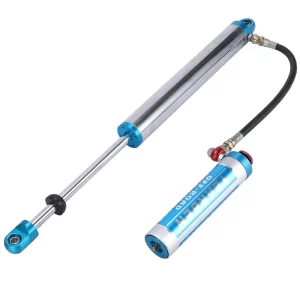
The 38 mm heavy equipment seat shock absorber and the 41.5 mm adjustable seat damper are the two most common starting points when an OEM seat must cover heavy operators across multiple machine classes. The 35 mm heavy duty seat damper often fits construction and agricultural platforms where the operator band is narrower but the duty cycle is still rough.
How Are Heavy Duty Seat Dampers Load Tested Before OEM Shipment?
Before a heavy duty seat damper leaves our production line, it passes three checks: a force velocity curve across at least three stroke speeds, a side load durability run, and a full stroke cycle at elevated temperature. The force velocity curve matters because two dampers can feel identical at one speed and diverge sharply at the speed that matters in a rough cab. We hold the rebound and compression slopes within a defined tolerance band for each cylinder size.
Load testing should be done on the seat assembly, not just the bare damper. The damper may pass a bench test and still feel harsh in the cab because the linkage angle changes the effective stroke. We ask for a prototype seat frame or at least the exact mounting center distance and pivot geometry before approving a final piston setting.
If your program includes operators outside the standard band or a seat linkage with unusual geometry, it is worth confirming cylinder diameter before finalizing the BOM. Send the operator weight spread and mounting dimensions to info@yearbenshocks.com and we will check the damping profile against the actual seat assembly.
What OEM Information Prevents Weight Range Mismatches?
For an OEM request, the minimum package is the heaviest operator mass, seat top mass, seat suspension travel, mounting center distance, cylinder body length, end fitting style, expected daily cycle count, and whether damping must be fixed or adjustable. One missing value forces the supplier to assume, and the assumption usually lands in the wrong part of the damping curve.
I start with three numbers: upper operator mass, seat top mass, and seat suspension travel. Then I ask for the mounting center distance, because two seats with the same cylinder can need different end fittings and protected stroke. After those, the discussion moves to the damping curve. A fixed curve is easier to validate. Adjustable valving pays off when a single seat platform must cover a wide operator band or multiple machine classes.
What If the Seat Frame Uses a Different Cylinder Diameter?
Do not force a damper into a frame built around another cylinder size without checking the mount bore, bushing width, and side load path. A 38 mm unit may hydraulically handle the load, but the frame may not accept the larger body, or the original bracket may concentrate stress at a different point. The correct move is to confirm the mounting envelope first and let the cylinder follow the frame.
The most common mismatch we see is a supplier approving a cylinder from the seat model catalog, then the fleet sees two different operator weights and the lighter units ride harsh while the heavier units bottom out. That is a weight range problem, not a product failure. Yearben builds seat dampers from 24 mm to 41.5 mm cylinder diameters and matches the piston valving to the full operator band before production. Send your operator weight band, seat top mass, and mounting center distance to info@yearbenshocks.com, or call +86-523-86566899, and we will confirm the cylinder size and damping curve before you freeze the bill of materials.
What Do OEM Buyers Ask About Heavy Duty Seat Damper Weight Ranges?
Is a 24 mm Damper Enough for a 100 kg Operator?
A 24 mm damper can work for a 100 kg operator only on a smooth duty seat with short travel and a direct linkage. The issue is not the scale reading; it is the peak load when the operator hits a rough patch at the end of the stroke. If the application is a commercial mower or a low speed utility vehicle, the smaller cylinder may be fine. If the seat goes into a construction machine or sees continual impacts, move to a 28 mm or 35 mm cylinder and let the valve package handle the extra energy.
Does a Broad Operator Weight Range Always Require an Adjustable Damper?
The common assumption is that adjustable damping automatically covers every operator size. It does not. Adjustability changes the orifice path or preload, but the base piston must still be selected for the heavy end of the band. A single fixed curve can work if the weight spread is moderate. For fleets with a 60 kg to 160 kg spread, adjustable valving helps only when the valving range was developed on the same seat linkage, not added as a line item.
How Much Should I Add for Seat Top Mass?
It depends on how the seat top is built and how the linkage multiplies it. A direct mount seat with a simple pan may add 10 to 15 kg, while a full suspension seat with a heavy slider, lumbar mechanism, and swivel base can add 30 kg or more to the effective load. The safer method is to weigh the complete seat top above the damper and add that to the upper operator mass before applying the peak load multiplier.
Can One Seat Damper Cover Truck and Mining Seat Platforms?
In damper programs we have run, the same 38 mm cylinder can serve a highway truck seat and a compact mining loader seat if the stroke, end fitting, and mounting center distance stay within the validated range. The split happens in duty cycle and side load. A mining seat runs longer full stroke cycles and needs earlier validation on bushing wear and heat rejection, while a truck seat spends more time in the middle of the stroke. If your program combines heavy operators with long daily duty, share the operator weight band and linkage details with us at info@yearbenshocks.com and we will confirm the right validation scope.
If you’re interested, check out these related articles:
Hydraulic-Seat-Damper-Cylinder-Diameter-24MM
Triple-Bypass-Shock-For-Off-Road
Off-Road-Coilovers
Best-Off-Road-Shocks