
Seat hydraulic dampers for electric buses must be engineered to handle heavier loads and longer operating cycles than traditional coach dampers. Off-the-shelf hydraulic units often fail to deliver consistent damping when matched to the weight distribution of a battery-electric platform, leading to driver fatigue and premature wear. At TaiZhou Yearben, we have spent years tuning seat damper valving for NEV applications, and the difference between a generic unit and one calibrated for an electric bus is measurable in both comfort and component lifespan. This article explains the key specifications, mounting configurations, and sourcing considerations that procurement teams and engineers need when selecting seat hydraulic dampers for their next electric bus platform.
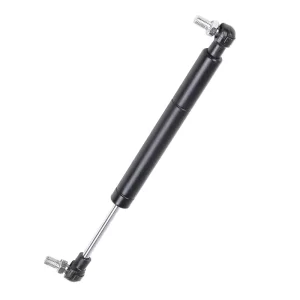
How a Seat Hydraulic Damper Controls Motion on Electric Buses
A hydraulic seat damper uses fluid forced through precision orifices to convert kinetic energy from road vibrations and body movement into heat. Unlike a simple spring, the damping force increases with velocity, providing progressive resistance as the seat suspension compresses or rebounds. For electric buses, this matters more than for diesel coaches because the smoother, vibration‑free electric drivetrain actually makes irregular road inputs feel sharper to the driver, making consistent damping critical for long‑shift comfort.
We have tested various valving profiles on city electric bus routes with frequent stops. A linear damping curve works for smooth highways, but in stop‑start urban traffic, a digressive curve—where damping force rises quickly at low shaft velocities then levels off—prevents that jarring initial bump while still controlling larger movements. This nuance is often missing when buyers grab a catalog damper designed for a generic commercial vehicle seat.
Key Specifications: Load Capacity, Stroke, and Damping Force
Procurement teams evaluating seat dampers for an electric bus platform need to lock down three primary numbers: load capacity, stroke length, and damping force at a given shaft speed.
| Cylinder Diameter | Typical Load Range | Recommended Stroke | Common Application |
|---|---|---|---|
| 24 mm | 50–80 kg | 40–60 mm | Light‑duty or driver‑only seats |
| 28 mm | 80–120 kg | 60–80 mm | Standard city bus seats |
| 35 mm | 100–150 kg | 80–100 mm | Mixed‑traffic bus routes |
| 38 mm | 150–220 kg | 100–120 mm | Heavy electric bus seats |
| 41.5 mm | 180–250 kg | 100–150 mm | Adjustable, high‑load seat platforms |
The 38 mm and 41.5 mm cylinders are increasingly common in battery‑powered buses because the added mass of under‑floor battery packs pushes the seat‑plus‑driver load well above 150 kg. We build a heavy‑duty 38 mm hydraulic seat damper specifically for these applications, and our adjustable 41.5 mm unit allows fine‑tuning of rebound and compression damping for multi‑driver fleets.
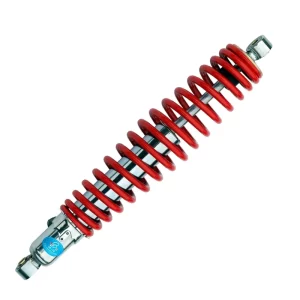
Cylinder and Mounting Design for a Seat Hydraulic Damper
The physical package—cylinder body, end fittings, and mounting angle—determines whether a damper can drop into your seat frame without costly bracket redesigns. Twin‑tube construction, with an inner working cylinder and an outer reservoir tube, offers better heat dissipation than a monotube for high‑cycle urban routes. For electric buses where seat damper replacement intervals are expected to exceed 300,000 km, we recommend a nitrogen‑charged twin‑tube design with a PTFE composite seal and a hard‑chromed piston rod.
Mounting is the most common point of project delay. We often receive drawings where the engineer has specified a bushing ID that matches a legacy pneumatic damper, but the hydraulic unit requires a spherical bearing or a different eyelet size to accommodate angular misalignment during suspension travel. Sending an accurate 2D drawing with bushing dimensions, extended and compressed lengths, and the mounting axis orientation early in the sourcing conversation eliminates weeks of email exchange.
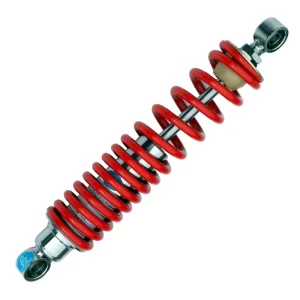
When a Custom Seat Hydraulic Damper Outperforms a Catalog Unit
Most catalog dampers are tuned for a narrow weight band and a presumed road spectrum. An electric bus operating on urban roads with speed bumps, potholes, and frequent passenger loading cycles presents a different demand profile. If your seat suspension already uses an air spring, the hydraulic damper must complement the air spring’s progressive rate without creating a “sticky” feel at the top of the stroke.
We have found that for NEV buses with a gross vehicle weight above 12 tons, off‑the‑shelf dampers with a fixed damping coefficient tend to bottom out after roughly 50,000 km of typical city service. A custom damper with a shim‑stack‑tuned piston can extend that service life by better controlling the end‑of‑stroke impact. It is not always necessary to go custom. If your seat frame and weight fall within a standard damper’s tested envelope, a production‑ready unit from a manufacturer’s existing catalog can save tooling cost and lead time. But when the operating conditions push the damper outside its design window, the incremental cost of custom valving is far less than the cost of warranty replacements.
If your program involves mixed driving profiles—urban start‑stop combined with occasional highway—confirming the damper’s velocity‑dependent force curve with the supplier before finalizing your BOM can prevent field complaints. Reach out at info@yearbenshocks.com with your vehicle’s typical route data; we can run a quick feasibility check.
Sourcing a Seat Hydraulic Damper from an OEM Supplier
Not all hydraulic damper factories have in‑house NEV seat experience. The supplier should be able to show you a dyno chart of damping force versus velocity, not just a catalog picture. We run a full force‑velocity curve on every production batch using a dedicated shock dyno, and for electric bus programs we add a 500,000‑cycle durability test on a servo‑hydraulic test rig.
Ask about surface treatment. A seat damper hidden under a bus cabin floor cover still sees humidity and salt spray in coastal cities. We hard‑chrome the piston rod to 20‑25 µm thickness with a micro‑cracked finish for oil retention, and the cylinder body receives a salt‑spray‑rated powder coat. These details matter when the client’s warranty expectation is five years or 500,000 km.
Our team has delivered custom damper solutions for seat manufacturers integrating hydraulic damping into new electric bus platforms; we often start from the custom shock absorbers for seat manufacturing base design and adjust valving. Lead time for a standard hydraulic damper from our existing seat damper series is typically 4‑6 weeks depending on quantity. A custom‑tuned unit with a new piston valving spec adds 2‑3 weeks for prototyping and dyno validation. Ordering dampers before the seat frame is locked down allows concurrent sample validation.
Common Questions About Seat Hydraulic Dampers for Electric Buses
What is different about a hydraulic damper versus a gas shock in a bus seat?
A gas shock uses pressurized nitrogen to reduce oil foaming and maintain consistent damping at high cycle rates, while a pure hydraulic damper relies on oil alone. For bus seats, we often specify a low‑pressure nitrogen charge inside a twin‑tube hydraulic damper to prevent cavitation without adding excessive spring force that would make the seat feel bouncy.
Can I retrofit an electric bus with a different diameter damper?
Yes, provided the mounting eyelet size, extended/compressed lengths, and damping force profile match the seat mechanism. We have supplied retrofit kits where the original 24 mm damper was replaced with a 38 mm unit after the operator upgraded to a heavier seat. A dimensional check and a quick dyno comparison confirm compatibility.
How long does a seat damper last on a battery‑electric bus?
With proper valving and a hardened rod, we see 300,000–400,000 km before damping force drops by more than 15%. City buses with frequent full‑travel cycles tend to reach that threshold earlier than intercity coaches. Our factory runs an accelerated life test equivalent to 500,000 km for client‑specific validation.
What cylinder diameter should I specify for a city electric bus?
For a typical 12‑ton, 40‑seat electric bus, a 35 mm or 38 mm cylinder diameter handles the weight and provides adequate heat dissipation. If the seat frame includes an integrated air spring and you want adjustable damping for different driver weights, a 41.5 mm adjustable damper offers broader tuning range.
Should I source dampers before the seat design is final?
Early supplier involvement saves engineering time. We often receive preliminary seat CAD models and recommend a damper with a stroke and mounting configuration that fits the frame, then fine‑tune the valving once the prototype seat is on the shaker rig. If you have a target damping curve and mounting envelope, share your requirements and we will confirm which damper series matches your timeline and volume.
Finding a seat hydraulic damper that holds up under the daily grind of an electric bus fleet means going beyond catalog specs. At TaiZhou Yearben, we work with bus OEMs to define the right damping curve, cylinder size, and mounting interface for each platform. Send your part number, quantity, and expected annual demand to info@yearbenshocks.com or call +86-523-86566899. We will respond with a customized proposal within 48 hours.
If you’re interested, check out these related articles: