
Hydraulic vs rotary steering damper decisions usually favor the hydraulic unit on off-road vehicles once the steering linkage has room for a linear mount. The real difference is in how force builds: hydraulic dampers follow shaft speed through oil, while rotary dampers convert steering movement into angular displacement inside a compact housing. In OEM steering damper programs I have handled, hydraulic units are easier to tune for kickback, but rotary packages make sense where the steering sweep is short and the machine runs cool. This article works through the engineering logic and the supplier questions before either design gets locked into a platform.
How Does a Hydraulic Steering Damper Work?
A hydraulic steering damper is a linear damper mounted between the steering link or tie rod and a fixed chassis point. When the wheel tries to turn suddenly, the piston rod moves through oil in the cylinder and forces fluid through calibrated orifices. Resistance builds primarily in relation to shaft speed, which means steering kickback gets muted without making normal low speed turning too heavy.
The reason this matters for off road vehicles is the type of input. Rocks, ruts, and side loads at the front wheel send sharp pulses into the steering system. A well valved linear damper slows those pulses before they reach the rider’s hands. We have seen this repeatedly on ATV and UTV programs where a shorter stroke damper was specified but the real fix was matching the damping curve to the tie rod movement rather than simply increasing overall resistance.
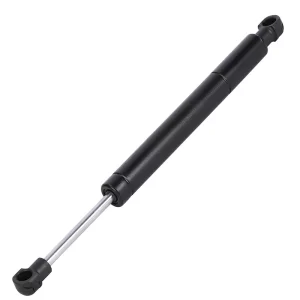
In OEM work, the practical limits are stroke and mounting. A hydraulic unit needs a straight line action, so the mount must follow the steering link movement without binding. That is why bore size and end fitting design become the first specification check for a custom steering damper rather than the outer body diameter alone.
What Changes with a Rotary Steering Damper?
A rotary steering damper places the damping mechanism inside a housing that rotates around the steering axis, so the damper can sit close to the pivot rather than acting through a separate link. That packaging advantage is real on machines with tight steering columns or where a linear damper would need an extra bracket and longer stroke.
The tradeoff is how damping force builds. A rotary unit converts steering movement into angular displacement, and the damping curve tends to stay more constant through rotation rather than being tied directly to the tie rod’s straight line travel. That works well on systems with limited sweep and stable temperatures. Where it gets more demanding is high energy off road use: the seal area and housing temperature run higher, and any axial play in the pivot transmits more variance into the damping feel. I have evaluated rotary packages on utility platforms where the steering was stable in a straight line but less predictable at full lock because seal drag and damping force were difficult to separate.
Where Do Hydraulic vs Rotary Steering Dampers Fit Best?
The right answer follows the vehicle category more than the damper brochure. We have moved from a one part number approach to two families because each design solves a different packaging problem.
| Design | Best fit | Main limitation |
|---|---|---|
| Hydraulic steering damper | ATV, UTV, lawn and field equipment with straight tie rod movement | Requires a clean linear mount path and enough stroke |
| Rotary steering damper | Tight steering columns, enclosed gear cases, low energy utility steering | Seal temperature and pivot play become dominant at high load |
| Adjustable hydraulic damper | OEM programs needing one body tuned across several vehicle weights or tire sizes | Higher unit cost than a fixed damping valve |
The strongest distinction we see in practice is not heavy duty versus light duty, but whether the front linkage gives the damper clean linear motion. For an ATV or UTV with exposed tie rods, a hydraulic steering damper usually packages well and handles repeated high speed kickback without overheating the fluid. For a compact mower or a seat steering column with short angular sweep, a rotary unit reduces bracket count and works acceptably because energy input is lower.
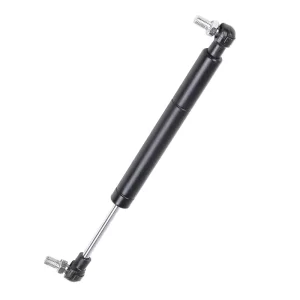
If your program involves a steering sweep above 60 degrees, high front wheel mass, or desert running, it is worth confirming the damper’s shaft speed rating and seal heat limit before finalizing the bill of materials. Send your platform details to info@yearbenshocks.com and we will check the expected load against the damper family before samples are ordered.
What Should You Check Before Choosing a Steering Damper?
Before comparing suppliers, I narrow the project to stroke and collapsed length first, because a damper that tops out or bottoms out will destroy its seals before any handling benefit appears. Eyelet and mount type come next. A metric rod end fitted to an existing bracket changes steering feel more than most riders expect. Damping direction matters just as much, especially whether the damper should be firmer in one direction to control front wheel kickback while staying lighter in the return direction.
The service environment is another check. Lawn and construction equipment runs cooler but sees more debris, while desert vehicles build heat and need a fluid path that does not thin too quickly. Production depth closes the list. A supplier that offers only one bore size cannot match the damping curve across a 250 cc ATV and a high volume lawn mower platform without compromise. Yearben lists 18 mm and 24 mm steering damper bodies, and the steering damper family goes from fixed lawn mower dampers to custom units for special vehicles.
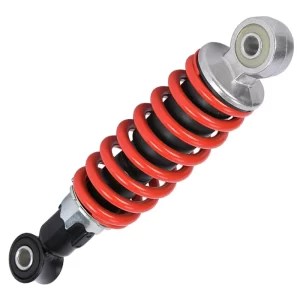
When these specifications are missing from a drawing, the quote is guesswork. That is why we ask for steering linkage travel, not just the vehicle model, before the sample phase begins.
What Should You Send for a Steering Damper Quote?
We have watched sourcing teams lose weeks to brackets that almost fit. A steering damper looks simple until mount centers, stroke, and damping curve stay vague. If you can send the machine model, steering linkage travel, mount center distances, desired damping force or vehicle weight, and annual volume, we can confirm which damper family matches before sampling.
Send those details to info@yearbenshocks.com or call +86-523-86566899, and we will route the request through the steering damper engineering group. The target is not to push a single part number but to get the first sample close enough that the test loop takes days instead of months.
What Do Buyers Ask About Steering Damper Sourcing?
Do rotary dampers always last longer than hydraulic dampers?
No. Life depends on shaft finish, seal compound, fluid path, and operating temperature far more than on whether the package is linear or rotary. A hydraulic damper with a hard chromed rod and a properly aligned mount will often outlast a rotary unit that runs hot because the rotary housing traps heat near the seal. The distinction matters most at the evaluation stage: do not compare material claims; compare the same duty cycle at the same operating temperature. Rotary packaging may look stronger, but durability does not automatically follow.
Can a hydraulic steering damper be tuned after installation?
It depends on the specification. A fixed damper is valved at the factory to a defined shaft speed and force curve, so tuning after installation is limited to changing oil or rebuilding. An adjustable damper adds a needle or orifice position that changes low speed and mid speed force without opening the body. For OEM work, we usually recommend starting with an adjustable prototype, then freezing the clicker settings once the vehicle weight and steering geometry are stable. This gives the engineering team a faster tuning loop without carrying the cost of adjustability into every production unit.
Which design handles steering kickback better in rock crawling?
Many builders assume rotary means stronger resistance, but kickback control depends more on valve digression and shaft speed response than on the housing type. In low speed rock crawling, the wheel gets hit hard and fast through the tie rods, so the damper needs to react quickly at low travel while not turning normal steering into an arm workout. We typically see hydraulic linear dampers with a digressive valve handle this combination more cleanly because the mount path follows the tie rod movement. A rotary unit can work if the steering sweep is short and the pivot area stays cool.
What do you need to quote an OEM steering damper?
In programs we have quoted, missing information causes more delay than the damper itself. The vehicle model is useful, but we also need mount center distances, available stroke in both directions, steering linkage travel, the wheel and tire package, and annual volume. If the damper goes into a lawn mower or a seat platform, we also ask for the operating angle and bracket clearance so the units do not bind. Send the steering linkage travel and mount center distances to info@yearbenshocks.com and we will confirm which 18 mm or 24 mm steering damper body fits before any tooling change.
If you’re interested, check out these related articles:
Fixed-Preload-Atv-Shock-Absorbers
Customized Steering Dampers 24mm
Driver-Seat-Damper-24MM-Cylinder-Diameter
Off-Road-Coilover-Shocks
