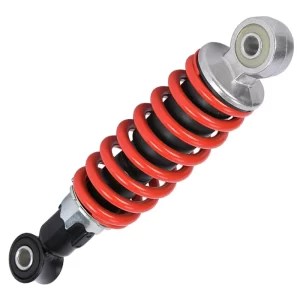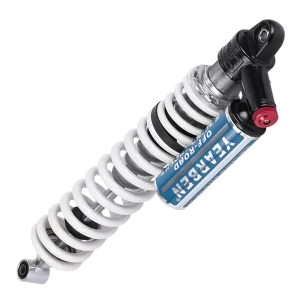
Suspension damper ODM factory selection is not about picking the lowest price; it is about verifying whether the manufacturing process can consistently deliver the damping force and durability your application requires. Having spent over twenty years in shock absorber research and manufacturing, I have seen factories that produce visually identical dampers, yet their bore finish, seal life, and gas charge stability differ substantially. This guide explains the engineering checks you need to make when evaluating a suspension damper ODM factory, from production line audits to quality assurance protocols, so you can build a sourcing partnership that meets both your technical specifications and your supply chain expectations.
What Makes a Suspension Damper Factory a True ODM Partner?
A real ODM suspension damper factory does more than assemble components from a catalog. It develops damping curves from scratch based on your vehicle’s sprung mass, motion ratio, and target ride frequency. The factory’s engineering team must be able to translate those inputs into piston port geometry, shim stack specifications, and gas charge pressure that match your performance envelope.
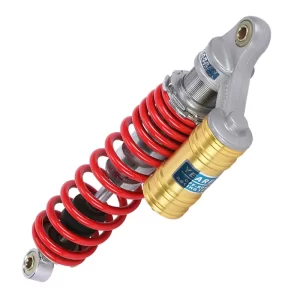
That depth separates an ODM partner from a trading company that simply brands generic dampers. Ask to see the engineering team’s damper tuning library and previous project logs. If they cannot show how they arrived at a specific force-velocity plot for a past client, you are dealing with an assembler, not an ODM manufacturer. In our facility, every custom program starts with a technical review that maps the vehicle’s intended use environment to the damper’s fatigue life targets before any prototype is built.
How to Verify Manufacturing Process Control on the Production Floor
The difference between a damper that lasts three seasons and one that leaks after six months often comes down to three production variables: bore finish inside the working cylinder, weld integrity on mount points, and nitrogen charge accuracy. A factory visit should focus on how each of these is controlled, not just whether the floor looks clean.
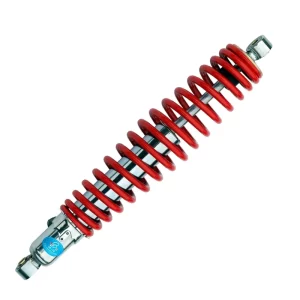
Start with cylinder bore finish. Suspension dampers require a surface roughness typically below Ra 0.2 µm on the inner tube to prevent seal abrasion. A factory that cannot produce real-time roundness measurement data from its honing or skiving process is guessing. Then move to weld inspection. On coilover and reservoir shock bodies, a lack of dye penetrant or pressure decay testing after welding means hidden porosity will eventually cause gas loss or oil weeping. I have seen production lots fail field testing because a factory skipped post-weld pressure holding tests and shipped dampers that lost 20% of nitrogen charge within 100 hours.
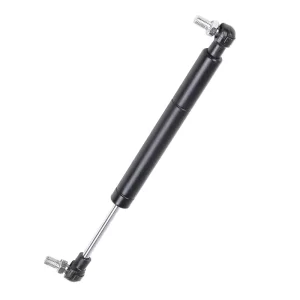
Nitrogen charging is equally unforgiving. A spread of ±5 psi across a batch changes the onset of cavitation under hard use, which leads to inconsistent damping feel and accelerated oil degradation. Verify that the factory logs charge pressure per unit, not just per batch, and that their filling equipment can hold tolerance consistently.
What Quality Assurance Standards Prevent Suspension Damper Failure?
Seal life separates a quality ODM damper from a disappointment. The rod seal must survive side load cycles that replicate the actual bending moment your suspension geometry applies, and the piston seal must maintain its edge under dirt and temperature swings. Standard visual inspection before shipment will not catch these failure modes.
A proper ODM factory tests dampers on a dedicated durability rig that simulates your vehicle’s duty cycle. For off-road dampers, this means hundreds of thousands of cycles at varying shaft speeds with lateral load fixtures. For seat dampers, it means cyclic testing under full rated weight. Ask to see a sample test report that correlates the rig profile to your application. If the factory cannot show you failure analysis records from past endurance runs, their quality assurance stops at cosmetics.
| Process Check | What to Verify | Why It Matters |
|---|---|---|
| Cylinder bore finish | Ra ≤ 0.2 µm, roundness within 0.01 mm | Seal abrasion and internal leakage |
| Post-weld pressure test | Decay rate over 4 hours at operating pressure | Hidden porosity and gas loss |
| Nitrogen charge accuracy | Per-unit log with ±5 PSI tolerance | Cavitation margin and damping repeatability |
| Seal life testing | Side-loaded cycling per application duty cycle | Warranty rate and field reliability |
| Force-velocity validation | Dyno trace matching design curve at multiple speeds | Consistency across production batches |
Endurance testing does not stop at the prototype stage. A responsible factory periodically pull tests production-run dampers to verify the process has not drifted. That sampling discipline is what keeps your field return rate low.
Midway through an ODM selection process, a critical decision point emerges: if your damper application involves high-speed off-road use where fade resistance is essential, confirm that the factory logs nitrogen charge pressure per unit and can provide seal life test data with lateral load. Reach out at info@yearbenshocks.com to request a facility audit checklist that covers these specific engineering checks.
How to Evaluate Customization and Prototype Capabilities
Customization depth is where many factories stumble. They can adjust overall length or spring rate, but they cannot redesign the piston port geometry or alter the compression-to-rebound ratio for a different vehicle weight distribution. True ODM capability means the factory can modify these internal parameters and then validate the change on a shock dyno.
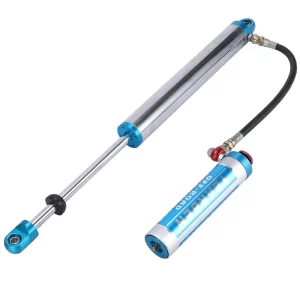
Check how the factory protects your design exclusivity. If the same damper internal configuration can later appear under a competing brand, you are not their ODM partner; you are a customer of their open catalog. At Yearben, we maintain separate technical files per client and do not re-purpose custom internal geometries. Ask the factory to confirm in writing that your piston design, shim stack arrangement, and rod guide configuration will not be shared. The prototype timeline also reveals a factory’s real R&D bandwidth. A typical custom damper prototype should take four to six weeks from drawing approval to dyno-ready sample, assuming the required tube diameters and piston blanks are already in-house tooling. Longer lead times usually mean the factory is outsourcing the tuning work or has a backlog that will delay your program later.
Building a Long-Term ODM Supply Partnership for Suspension Dampers
A damper program is not a one-time transaction. Your vehicle platform may evolve, spring rates will change, and your production volumes will shift. The ODM factory you choose must be able to absorb these changes without restarting the entire qualification process.
Communication discipline matters. The factory’s engineering contact should speak your technical language, not just sales talk, and batch quality reports should arrive proactively. I have found that factories willing to open their test lab remotely for real-time dyno data reviews tend to be the ones with nothing to hide. If your projected annual volume is in the thousands of units, agree on a quarterly quality review that includes teardown analysis of randomly selected production dampers against the approved golden sample. That practice catches drift before it becomes a shipment hold.
Sourcing suspension dampers from an ODM factory is an engineering partnership, not a catalog purchase. If your program depends on consistent damping force and long-term durability, working with a factory that demonstrates process control rather than empty promises is non-negotiable. Share your performance spec or current damper part number with our engineering team at info@yearbenshocks.com, or call +86-523-86566899 to discuss your ODM damper requirements directly.
Common Questions About Sourcing Suspension Dampers from ODM Factories
What is the typical MOQ for custom suspension dampers?
The answer depends on whether you are ordering a modified version of an existing damper platform or a fully new internal design. For a damper that uses an existing tube diameter and seal package with custom valving, an MOQ of 200 to 500 units per model is common. When a new piston or rod guide tool is required, the MOQ typically rises to 1,000 units or more because the amortization of tooling costs has to be justified over the first batch. We adjust MOQ case by case based on the tooling investment and long-term volume forecast. If your annual usage is below 500 units, share your spec and we will confirm whether tooling can be shared with an existing platform to lower entry volume.
Are ISO certifications important for an ODM damper factory?
ISO 9001 signals that a factory has a documented quality management system, but it does not guarantee that your specific damper will be built right. The certification matters most when it is paired with application-specific testing capability. Look for a factory that holds ISO 9001 as a baseline and then verify that they have a shock dynamometer, a seal endurance rig, and a nitrogen charging log system. Without those physical assets, the certificate is paperwork. In practice, a factory that does not invest in those instruments will eventually fail to maintain consistent damping force, regardless of its ISO paperwork.
How do I protect my suspension damper design from being copied?
Design exclusivity starts with a written agreement that your internal configuration—piston port geometry, shim stack arrangement, and seal specification—will not be applied to another client’s damper. That agreement should be signed before technical drawings are shared. At Yearben, we segregate client-specific valving data and do not re-purpose internal geometries across brands. When third-party production is required for high-volume programs, we use separate workstations for proprietary valving steps. Ask for a factory’s confidentiality protocol before sending your drawings, not after.
Can an ODM factory handle both hydraulic and gas-charged dampers?
Yes, but the factory must have separate assembly areas to avoid fluid cross-contamination. Hydraulic-only dampers use oil with specific anti-foam and anti-wear additives, while gas-charged dampers add nitrogen pressurization that changes the seal requirements and assembly sequence. A factory that builds both types successfully will have dyno test templates for each configuration. We produce hydraulic seat dampers and gas-charged off-road coilovers on separate lines, each with its own filling and testing stations. Before placing an order, ask to see a force-velocity graph from a production damper of each type to confirm the factory can hit the target curve on both.
How long does a full ODM damper development program take from concept to shipment?
A typical timeline is four to six weeks from design approval to a dyno-validated prototype, assuming the tube size and seal package already exist in the factory’s tooling library. If new tube tooling or a custom piston is required, add three to four weeks for tool fabrication and first-article inspection. The subsequent pilot run of 50 to 100 units typically takes another four weeks, including production-line setup and sample sign-off. In total, a clean-sheet damper program can ship in about four months, while a modified existing platform can ship in two months. If your sourcing timeline is tighter, provide your required completion date and we will confirm what existing platforms are available to accelerate the process.
If you’re interested, check out these related articles:
4X4-Shock-Absorber-Supplier
Adjustable-Gas-Shock-Absorbers
Customized Steering Dampers 24mm