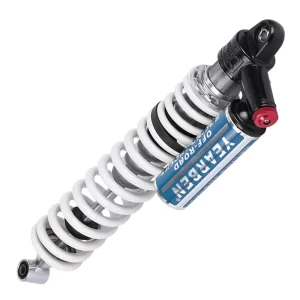
A hydraulic damper for fitness equipment is a motion-control component that turns unwanted kinetic energy into heat through controlled fluid flow. In OEM terms, the first decision is not maximum force alone. The damper must match the force-velocity curve, stroke, mounting geometry, duty cycle, and noise limits of the machine. That combination is what separates a prototype that feels smooth from a production part that remains stable over thousands of cycles.
How a Hydraulic Damper Works in Fitness Equipment
A hydraulic damper creates resistance by forcing oil through a calibrated orifice or valve. Because the fluid moves faster as piston speed increases, damping force rises with speed. This makes the component velocity sensitive, not primarily load sensitive. A damper is not a gas spring and does not hold a stationary load. If the design must keep a deck or cover open, select a gas spring. If it must slow a descending mass, smooth a seat return, or reduce end-stop shock, a hydraulic damper is the correct part.
Fitness equipment applications usually involve motion control rather than primary structural support. A rowing machine may use a damper for seat travel, a folding treadmill deck may need controlled lowering, and some cable crossover or multi-station designs use dampers to quiet arm adjustment. The common OEM mistake is to specify a damper as simply “stiff” or “soft” without defining the speed and stroke. Two parts that feel similar during a slow bench check can behave differently when a user releases the mechanism quickly.
Matching Damping Force and Stroke to Machine Type
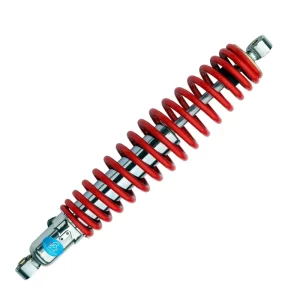
The correct first step is to measure the actual movement the damper will control. Determine stroke, installed length, the speed at which the part moves, and how many cycles the mechanism sees per session. Then specify damping force at the low-speed and high-speed conditions that match the machine, rather than copying a supplier catalog number from another product.
| Machine function | Typical damper role | OEM specification focus |
|---|---|---|
| Adjustable seat rail | Control slide release and return | Low-speed damping, quiet operation, compact installed length |
| Folding deck or frame | Controlled lowering | Repeated drop speed, end-of-stroke cushioning, long cycle life |
| Cable or arm adjustment | Remove lag and end-stop shock | Damping symmetry, side-load tolerance, low friction |
| Moving carriage or flywheel linkage | Suppress vibration and speed spikes | Velocity-sensitive tuning, heat stability, seal durability |
| Incline or resistance linkage | Add controlled feel | Force repeatability, temperature stability, mounting compliance |
Do not treat peak force as the only acceptance value. A damper that meets the peak target but is too stiff at low speed may make a seat slider feel locked, while a damper that is too soft at high speed may allow a deck to drop through the final portion of travel. The complete force-velocity envelope is the specification, not a single number.
Cylinder Bore, Mounting Points and Frame Integration
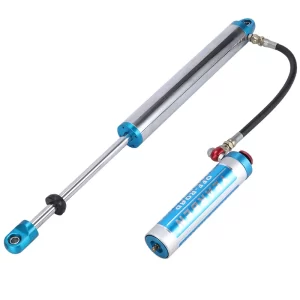
Cylinder bore, rod diameter, and stroke must be selected together because they interact with frame space and side loading. Raising the bore can increase available damping force, but it also increases body diameter and installed length. If the fitness frame has a narrow rail or a close-fitting cover, the larger body may not fit without changing the design.
Mounting quality often matters more than a small difference in bore. A damper whose rod is forced to travel at an angle will wear seals, create noise, and produce inconsistent force. When the linkage travels through an arc, use spherical bearings or clevis ends that allow angular movement. Otherwise the frame itself becomes a source of seal wear and field complaints.
Before finalizing the bore, check the extended and compressed lengths against the full swing of the mechanism. A cylinder that fits on paper can still bind when the pivot moves through an arc. <Hydraulic-Seat-Damper-Cylinder-Diameter-24MM> covers how cylinder diameter relates to damping force, packaging, and seat mechanism integration.
Adjustment, Noise and Duty Cycle Requirements
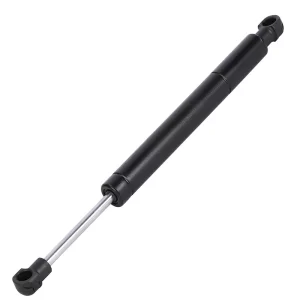
Fixed dampers are appropriate when the load and speed are known and the mechanism will not change across models. Adjustable dampers add cost, but they allow tuning when the final resistance requirement is uncertain or when multiple machine configurations share one platform. The adjustment feature should be defined by the number of useful settings and how easily those settings can be bypassed in production.
Noise is an acceptance issue in fitness equipment because home and studio users notice squeaks, clicks, and rattles immediately. Most damper noise can be traced to mount play, side load, seal stick-slip, or oil aeration. A quiet damper on a bench test can become noisy in the machine if the bracket is not rigid or the rod operates off axis.
Duty cycle also affects oil temperature and damping consistency. A damper used briefly by one user may run cool, but the same part in a busy commercial gym may cycle continuously and generate heat. The OEM validation plan should include repeated cycles at the expected use rate, followed by a recheck of damping force and leak behavior.
When multiple resistance levels must be covered with one platform, a single fixed curve may not satisfy every configuration. <Adjustable-Hydraulic-Shock-Absorbers> covers how adjustable damping supports a wider range of application settings.
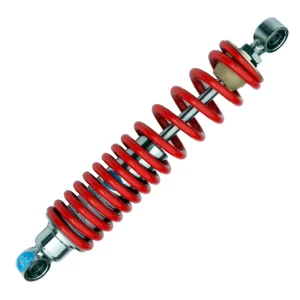
OEM Sampling, Production and Final Acceptance
A reliable OEM program moves through defined steps. Use the following order so that production issues are caught before the design is locked:
- Confirm stroke, lengths, mounts, damping force targets, and cycle life in the specification document.
- Build first samples and test them in the actual fitness machine, not only on a bench.
- Run cycle testing and check force loss, leakage, noise, and temperature stability.
- Freeze the approved drawing, valve setting, oil specification, seal type, and critical dimensions.
- Run a pilot batch and compare force variation across units before full production.
At Yearben, the engineering discussion stays focused on repeatable performance. The company has developed more than 200 shock absorber models and maintains an annual production capacity of 1.5 million units. That range supports both standard damping platforms and customized fitness equipment programs, with drawing review, sampling, cycle validation, and batch production under one quality system.
Fitness machines often share the same custom-cylinder requirement as seat systems: nonstandard stroke, special end fittings, and a defined damping curve. <Custom shock absorbers for seat Φ41.5mm manufacturing> covers how custom dimensions and damping characteristics are carried from drawing to production.
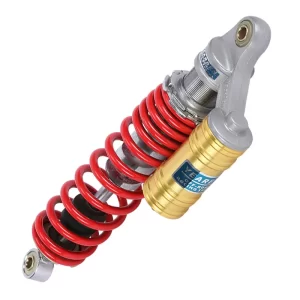
Specify Your Fitness Damper Project
The fastest way to obtain a workable OEM quotation is to send the required stroke, extended and compressed lengths, mounting type, damping force at the speeds the machine actually sees, cycle life target, and expected annual quantity. Yearben can review the packaging and performance requirements against an existing damping platform or develop a custom hydraulic cylinder, then support sampling, testing, and production scaling.
Contact Chen Yibo at info@yearbenshocks.com or +86-523-86566899.
FAQ
What is the difference between a hydraulic damper and a gas spring in fitness equipment?
A gas spring is designed to support or hold a load, while a hydraulic damper resists motion and controls speed. Use a gas spring when a deck or cover must stay open. Use a hydraulic damper when the goal is smooth return, controlled lowering, or reduced impact at the end of travel.
Can one hydraulic damper be used across multiple fitness machines?
It can, if the stroke, mounting length, speed, and force envelope are close enough. A shared platform can reduce part numbers, but each machine variation still needs validation because frame angle, moving mass, and linkage geometry change the load seen by the damper.
How are hydraulic dampers tested before shipment?
The standard checks include dimensional inspection, damping force measurement at the agreed piston speeds, leakage inspection, and cycle testing. Noise and temperature checks are added when the application is sensitive to heat or the damper is used near the user.
What should an OEM buyer provide for a damper quotation?
Provide the required stroke, compressed and extended lengths, mounting style, required damping force at the relevant speeds, expected cycle life, and annual volume. Photos or drawings of the linkage and nearby frame points help the supplier identify side-load and packaging risks.
If you’re interested, check out these related articles:
Best-Off-Road-Coilover
Heavy Equipment Seat Shock Absorber 38mm