
Heavy-duty seat dampers are built to keep the operator stable when a truck, bus, mining machine, or off-road vehicle hammers through rough terrain. Bottoming out is not a normal firmness characteristic. It is a signal that the seat suspension is using all of its compression stroke and hitting the end stops, which transfers shock directly into the seat frame and the driver. The fix depends on whether the problem is mechanical, hydraulic, or a specification mismatch.
What Heavy-Duty Seat Damper Bottoming Out Means
A suspension seat works like a small suspension system. The spring carries the operator mass, while the hydraulic damper controls compression and rebound velocity. When the seat moves downward, the damper should progressively absorb energy before the suspension reaches full travel. Bottoming out happens when the damper and spring combination cannot control that movement, and the seat contacts the mechanical end stop.
The result is usually a sharp knock through the seat pan, especially on potholes, washboard surfaces, or loaded operation. Seat suspension performance is validated on a vibration test rig that excites the base and measures the acceleration transmitted through the seat cushion [1].

A single hard hit is not automatically a defect. Repeated bottoming out, or bottoming under moderate road input, is the condition that needs diagnosis.
Common Causes of Heavy-Duty Seat Damper Bottoming Out
Undersized Damper or Spring for the Operator Weight
The most common cause is a mismatch between the seat suspension and the real-world operator weight range. If the spring rate is too low or the damper valving is calibrated for a lighter operator, the seat spends too much time deep in the compression stroke. A typical mismatch appears in mixed fleets: a seat damper that works for a 75 kg driver may spend most of its travel at full compression when a 120 kg operator takes the same truck.
Loss of Hydraulic Pressure or Nitrogen Charge
Many heavy-duty seat dampers use a hydraulic oil column and a pressurized gas charge to keep the oil stable and resist cavitation. When the gas charge leaks, the damper loses consistency. Compression may feel soft initially and then collapse rapidly at the end of the stroke. A damper with low gas pressure often compresses too easily even when the spring preload looks correct.
Worn Seals and Internal Leakage
External oil leaks are easy to see, but internal leakage is more difficult. Worn piston seals or rod seals let oil bypass the piston, reducing damping force across the velocity range. The seat may still feel smooth, but it will use more travel than expected because the hydraulic resistance is not there.
Incorrect Preload or Height Adjustment
Some damper designs use adjustable preload, ride height, or a multi-turn spring perch. If the preload is set too low, the seat starts its stroke already near the compressed position. The remaining travel is simply not enough to absorb a full impact. This failure is often adjustable without replacing parts.
Mechanical Binding or Damaged End Stops
Bent piston rods, worn bushings, or loose seat linkages create side loads and stiction. A bound suspension may not move freely, so the travel the operator perceives as available is reduced. Damaged or cracked end stops also change the feel of full compression.

How to Diagnose the Root Cause Before Replacing the Damper
Start with the least invasive checks.
Inspect the seat linkage and mounting bolts. Loose or ovalized bolt holes can cause false bottoming symptoms.
Check the preload adjustment. If the seat has adjustable preload, raise it temporarily and repeat the same test route. If the bottoming stops or becomes less frequent, the original setting was likely too low for the operator mass.
Look for wet oil on the piston rod and seal area. A light oil film is common; dripping or pooling is not.
Perform a controlled bounce test. Push down through the seat pan and release. The seat should return smoothly without topping hard. A damper that collapses quickly on compression but returns with little resistance often has lost pressure or developed internal leakage.
Check the full compression and extension strokes. Compare the seat movement with the damper specification. The same seat-evaluation philosophy appears in methods for vehicle and industrial-truck seats, where the seat is treated as a suspension rather than a cushion [2][3].
If the damping-force curve has shifted and the unit is not rebuildable, send the seat model, installed angle, damper label, and current photos to info@yearbenshocks.com for a direct replacement review.
Matching a replacement damper starts with the seat’s original compressed and extended length, rod diameter, and damping-force curve. Keep the blockquote on its own line. <Heavy duty seat damper 35mm, Shock Absorber Manufacturer> covers the load and travel details needed when a mixed fleet requires consistent rebuild parts.
How to Fix a Heavy-Duty Seat Damper That Bottoms Out
Adjust Preload and Ride Height First
Before ordering components, set the seat to the correct ride height for the operator. The static position should place the suspension near the middle of its travel when the operator is seated. This gives the damper the most usable stroke in both directions.
Recharge or Reseal the Damper
If the damper body is serviceable, a qualified suspension service center can check the gas charge and replace the seal head, piston band, and shaft seal. This is often the correct fix when the damper is mechanically straight but the damping force has fallen. After resealing, the unit must be tested at multiple compression and rebound velocities to confirm the curve.
Upgrade to a Matched Damper and Spring Combination
When preload adjustment and a reseal do not solve the problem, the issue is usually the specification. A heavy-duty seat damper should be matched to the seat geometry, operator weight range, and vehicle duty cycle. Upgrading only the damper while keeping an incorrect spring usually moves the symptom rather than eliminating it.
A truck seat damper that bottoms out with a lighter operator may simply be valved for the wrong weight window. <Truck-Seat-Damper-38MM-Shock-Absorber-Manufacturer> covers the 38 mm cylinder configurations and weight-range selection commonly used for truck and bus seats.
Inspect the Seat Frame and End Stops
After a long period of bottoming out, the seat frame, bushings, scissor arms, and end stops may be worn or cracked. Replace any elongated bushings before installing a new damper. A new damper on a loose frame will still clunk at full compression because the end stop system is oversized by wear.
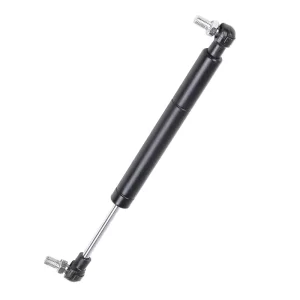
When to Replace vs Rebuild the Heavy-Duty Seat Damper
Rebuilding is appropriate when the cylinder bore and piston rod are in good condition and the failure is limited to seals, oil, or gas charge. Replacement is the better choice when the rod is bent, the cylinder bore is scored, the mounting eye is worn, or the damper has repeatedly bottomed out at high velocity. This load history can deform internal components that are not visible from the outside.
For mining, construction, and heavy equipment seats, bottoming out usually means the damper has exceeded its service life or the vehicle duty cycle has changed. <Heavy Equipment Seat Shock Absorber 38mm> covers the heavy-load design points that matter before you order a stronger replacement.
Get a Heavy-Duty Seat Damper Specified for Your Duty Cycle
A seat damper should not be selected by appearance alone. Cylinder diameter, rod size, stroke, damping-force range, and spring rate must all match the seat geometry and the operator mass. To stop bottoming out across the full range, capture the seat model, installed angle, maximum operator weight, and the compressed and extended mounting dimensions before you order.
For direct support on heavy-duty seat damper selection, send the failure details and seat photos to info@yearbenshocks.com or call +86-523-86566899.
Frequently Asked Questions
How do I know if my heavy-duty seat damper is bottoming out or just set too firm?
Bottoming out produces a distinct hard knock or metal-to-metal hit at the end of the compression stroke. Firm damping produces high resistance throughout the stroke but does not normally create a sharp impact. If raising the preload temporarily reduces or removes the knock, the suspension was sitting too low in its travel.
Can I recharge a hydraulic seat damper that has lost nitrogen pressure?
Only if the damper body has a service port and the internal seals are still healthy. Recharging a damper with worn seals may temporarily improve feel, but the pressure will usually fall again. A proper repair includes seal replacement, oil service, and a damping-force verification after recharge.
What weight range should a heavy-duty seat damper cover?
The required range depends on the seat and vehicle type. Truck seats may need to cover operators from roughly 50 kg to more than 130 kg, while heavy equipment seats may be specified for a narrower but higher mass band. The damper and spring must be selected around the expected seated mass, not the vehicle weight.
How often should heavy-duty seat dampers be inspected?
In commercial or mining service, a visual inspection of the damper, mounting bolts, and linkage should be part of routine seat maintenance. A more detailed damping-force check is warranted after repeated bottoming out, visible leakage, or a change in operator comfort.
When should I choose an adjustable seat damper instead of a fixed one?
An adjustable damper is useful when the seat will be used by operators of different weights or across changing duty cycles. A fixed damper is appropriate when the specification is stable and the seat is matched to a known operator profile.
References
[1] ISO 7096, Earth-moving machinery — Laboratory evaluation of operator seat vibration.
[2] ISO 10326-1, Mechanical vibration — Laboratory method for evaluating vehicle seat vibration — Part 1: Basic requirements.
[3] EN 13490, Mechanical vibration — Industrial trucks — Laboratory evaluation and specification of operator seat vibration.
If you’re interested, check out these related articles:
Custom shock absorbers for seat Φ41.5mm manufacturing
Customized Steering Dampers 24mm
2-0-Air-Shock
Heavy Equipment Seat Shock Absorber 38mm
