
Long-haul truck operators, bus fleet managers, and off-road equipment manufacturers face a persistent problem that directly affects driver health, productivity, and retention. Whole-body vibration transmitted through poorly damped seats causes cumulative spinal stress, accelerates fatigue on extended shifts, and contributes to musculoskeletal disorders documented across commercial vehicle industries worldwide. The driver seat damper addresses this problem by isolating the operator from vertical shocks and road-induced oscillations, converting kinetic energy into controlled heat dissipation through hydraulic fluid resistance. For procurement teams sourcing these components, understanding the engineering parameters that separate a specification-compliant damper from a marginal one determines whether the investment translates into measurable operator comfort and reduced warranty claims.
Why Driver Seat Dampers Matter More in Commercial and Off-Road Applications
The vibration exposure profile of a highway truck differs fundamentally from that of a mining haul truck or an intercity bus. ISO 2631-1 establishes frequency-weighted acceleration limits for whole-body vibration, with the 4 to 8 Hz range being particularly damaging to the human spine. Commercial vehicles operating on paved roads generate lower amplitude but higher frequency inputs, while off-road equipment produces high-amplitude, low-frequency shocks that can exceed 3 g during obstacle crossings.
A driver seat damper must attenuate these inputs without bottoming out on large impacts or feeling overdamped during normal operation. The damping coefficient, measured in Newtons per meter per second, must be matched to the suspended mass range of expected operators. A 60 kg driver and a 120 kg driver sitting on the same seat will experience dramatically different natural frequencies if the damper is not properly specified.
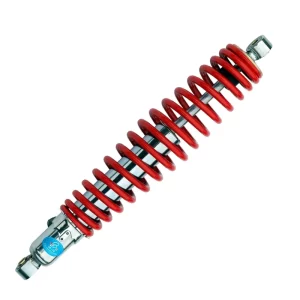
In our work with European bus manufacturers, we found that seat damper failures during the first 18 months of service correlated strongly with undersized piston rod diameters. The 24 mm cylinder units originally specified could not maintain consistent damping force after 50,000 operating hours, while upgrading to 38 mm cylinder heavy equipment seat shock absorber 38mm units reduced warranty claims by over 40% in the same fleet.
How Hydraulic Seat Dampers Generate Controlled Resistance
The operating principle of a hydraulic driver seat damper relies on forcing oil through calibrated orifices as the piston moves within the cylinder. Compression stroke damping occurs when the seat moves downward under load, and rebound damping controls the return speed as the seat recovers. The ratio between compression and rebound damping forces determines how the seat feels to the operator.
| Parameter | Typical Range for Trucks | Typical Range for Off-Road |
|---|---|---|
| Cylinder diameter | 24 mm to 38 mm | 35 mm to 41.5 mm |
| Stroke length | 60 mm to 100 mm | 80 mm to 150 mm |
| Damping force at 0.1 m/s | 200 N to 600 N | 400 N to 1200 N |
| Operating temperature | -30°C to +80°C | -40°C to +100°C |
| Service life target | 500,000 cycles minimum | 300,000 cycles minimum |
The piston design incorporates shim stacks or valve assemblies that create progressive damping characteristics. At low piston velocities, the damper feels relatively soft to absorb minor road irregularities. As velocity increases during larger impacts, the damping force rises non-linearly to prevent bottoming. This velocity-sensitive behavior distinguishes a well-engineered seat dampers unit from a simple friction device.
Twin-tube designs, such as the twin tube hydraulic seat damper 28mm, provide a cost-effective solution for moderate duty applications. The outer tube serves as a reservoir, allowing the inner working chamber to remain fully filled with oil throughout the stroke. Monotube designs offer better heat dissipation for severe duty cycles but require higher manufacturing precision and typically cost 20% to 30% more.
Matching Damper Specifications to Vehicle Operating Conditions
Specifying a driver seat damper without understanding the actual vibration input is a common procurement mistake. The damper is only one component in a suspension system that includes the spring element, the seat frame compliance, and the mounting interface to the vehicle floor.
For highway trucks operating primarily on paved roads, a damper with moderate compression damping and slightly higher rebound damping provides the best subjective comfort. The rebound control prevents the seat from bouncing after road joints or expansion gaps. Damping force at 0.1 m/s piston velocity typically falls between 250 N and 450 N for this application.
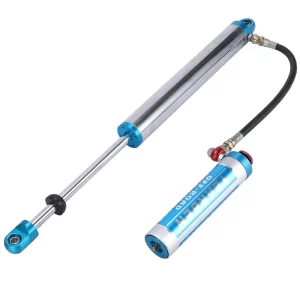
Off-road applications demand a fundamentally different approach. Mining trucks, agricultural tractors, and construction equipment encounter impacts that would destroy a highway-spec damper within weeks. The damper must handle peak forces exceeding 2000 N without cavitating the oil or overheating the seals. Extended stroke lengths of 120 mm or more accommodate the larger vertical displacements common in these environments.
Bus applications fall between these extremes but introduce their own challenges. Urban buses experience frequent stop-and-go cycles that accumulate heat in the damper. The hydraulic seat damper cylinder diameter 24mm configuration works well for city transit, while intercity coaches benefit from larger diameter units that maintain consistent performance over longer operating periods.
If your application involves mixed-duty cycles or unusual operator weight ranges, it is worth confirming the damping curve characteristics before finalizing your specification. Share your operating profile and we can recommend the appropriate cylinder diameter and valve configuration.
What Separates an OEM-Grade Damper from an Aftermarket Replacement
The difference between a damper that performs reliably for five years and one that fails within eighteen months often comes down to manufacturing tolerances and material selection that are invisible in a catalog specification.
Chrome plating thickness on the piston rod directly affects seal life. A minimum of 20 microns of hard chrome with proper surface finish below Ra 0.2 prevents premature seal wear. Some suppliers reduce costs by using thinner plating or skipping the superfinishing step, resulting in dampers that pass initial testing but develop leaks after 100,000 cycles.
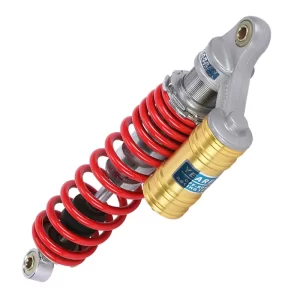
Seal material selection must account for the temperature extremes and oil compatibility requirements of the application. Polyurethane seals offer excellent wear resistance but become brittle below -20°C. PTFE-based seals maintain flexibility across a wider temperature range but require tighter bore tolerances to prevent bypass leakage. The driver seat damper 24mm cylinder diameter units we manufacture use a composite seal design that combines the benefits of both materials.
Oil viscosity and additive package affect both performance and longevity. Low-viscosity oils provide consistent damping across temperature ranges but may not maintain adequate film thickness under high loads. The oil must also resist foaming during rapid cycling, which requires specific anti-foam additives that some suppliers omit to reduce costs.
We have encountered situations where a customer’s existing supplier provided dampers that met the dimensional specifications but used a different oil formulation. The dampers worked acceptably in temperate climates but became excessively stiff during winter operation in Scandinavian markets. Matching the complete specification, not just the mechanical dimensions, prevents these field failures.
Adjustable Dampers: When the Added Complexity Pays Off
Fixed-damping seat dampers suit applications where the operator weight range is narrow and the operating conditions are predictable. When these conditions do not apply, adjustable dampers offer significant advantages despite their higher cost and complexity.
The adjustable seat damper 41.5mm provides external adjustment of the damping force through a rotary knob or lever accessible to the operator. This allows a 70 kg driver to set softer damping while a 110 kg driver on the next shift can increase the setting for proper support. The adjustment mechanism typically varies the orifice area in the piston valve, changing the damping coefficient by a factor of two or more across the adjustment range.
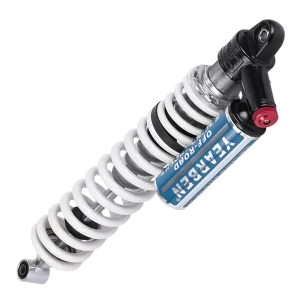
For fleet applications with diverse driver populations, the adjustable design reduces complaints and improves acceptance of new seat systems. The incremental cost of the adjustment mechanism, typically 15% to 25% above a fixed damper, often recovers through reduced seat replacement rates and improved driver satisfaction scores.
The trade-off involves reliability. Every additional mechanism creates a potential failure mode. The adjustment knob must be sealed against dust and moisture intrusion. The internal valve components must maintain calibration over hundreds of thousands of adjustment cycles. Specifying adjustable dampers from a manufacturer with proven production experience in this configuration reduces the risk of field problems.
| Damper Type | Best Application | Typical Cost Premium |
|---|---|---|
| Fixed hydraulic | Single-operator vehicles, predictable conditions | Baseline |
| Adjustable hydraulic | Fleet vehicles, variable operator weights | +15% to +25% |
| Gas-charged hydraulic | Extreme temperature range, severe duty | +20% to +35% |
| Active/semi-active | Premium vehicles, maximum comfort requirement | +200% to +400% |
Sourcing Driver Seat Dampers: Factory Audit Priorities
Procurement teams evaluating potential suppliers for driver seat dampers should focus their factory audits on specific capabilities that predict long-term quality and delivery performance.
The chrome plating facility deserves particular attention. In-house plating with proper environmental controls and thickness measurement equipment indicates a supplier that controls this critical process. Outsourced plating introduces variability and extends lead times. Ask to see the plating thickness records and surface finish measurements for recent production lots.
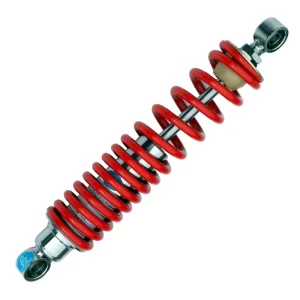
Seal assembly should occur in a clean environment with controlled humidity. Contamination introduced during assembly is the leading cause of early seal failure. A dedicated clean room or laminar flow bench for seal installation demonstrates appropriate process control.
Testing capabilities reveal whether the supplier can verify their own quality claims. At minimum, the factory should have cycle testing equipment capable of running dampers through 100,000 or more cycles while monitoring force output and temperature. Pressure decay testing for leak detection should be performed on 100% of production units, not just samples.
Yearben’s production facility includes dedicated damper testing cells that run continuous validation cycles on production samples. We maintain statistical process control charts for damping force consistency and can provide Cpk data for critical parameters on request. Our hydraulic dampers product line has been validated by European and North American OEMs through their own audit processes.
If you are planning a supplier qualification visit, we can arrange a factory tour that covers the chrome plating line, seal assembly area, and testing laboratory. Contact us at info@yearbenshocks.com or +86-523-86566899 to schedule.
Common Driver Seat Damper Problems and Their Root Causes
Field failures in driver seat dampers typically fall into predictable categories, each pointing to specific design or manufacturing deficiencies.
Oil leakage around the piston rod indicates seal failure, which may result from inadequate chrome plating, incorrect seal material selection, or contamination during assembly. Leakage that develops gradually over many months often reflects normal wear accelerated by operating conditions outside the design envelope. Sudden leakage within the first year usually indicates a manufacturing defect.
Loss of damping force without visible leakage suggests internal valve wear or oil degradation. The shim stacks in the piston valve can fatigue and lose their calibrated stiffness, reducing the pressure differential that creates damping force. Oil that has overheated repeatedly may lose its viscosity characteristics, resulting in reduced damping even with intact mechanical components.
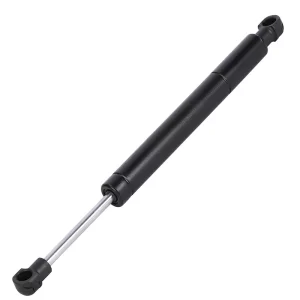
Noise during operation, particularly clicking or knocking sounds, often indicates air ingestion into the hydraulic circuit. This can occur if the damper is installed at an angle that allows air to accumulate in the working chamber, or if the reservoir volume is insufficient for the thermal expansion of the oil.
Bottoming or topping out during normal operation indicates a mismatch between the damper stroke and the seat suspension travel, or incorrect spring preload that positions the damper too close to its mechanical limits. This is a system integration problem rather than a damper defect, but it accelerates wear on the end-of-stroke bumpers and can damage the piston rod.
Specifying Dampers for New Energy Vehicle Applications
Electric buses and trucks present unique challenges for driver seat damper specification. The absence of engine vibration changes the frequency content of the input to the seat, potentially making previously masked suspension resonances more noticeable to operators.
Battery weight distribution in electric vehicles often differs significantly from diesel equivalents, affecting the vehicle’s pitch and roll characteristics. The seat damper must accommodate these changed dynamics without retuning the entire suspension system.
Regenerative braking creates deceleration profiles different from conventional friction braking, with implications for how the seat damper handles forward weight transfer. Some operators report that seats tuned for diesel vehicles feel “floaty” during regenerative braking events in electric vehicles.
Temperature management becomes more complex in electric vehicles. The cabin heating and cooling loads compete with battery thermal management, potentially exposing the seat damper to wider temperature swings than in conventionally heated vehicles. Specifying dampers with extended temperature range capability, such as the Heavy duty seat damper 35mm, Shock Absorber Manufacturer configuration, provides margin for these conditions.
We have worked with several NEV manufacturers adapting existing seat platforms to electric drivetrains. The damper retuning process typically requires on-vehicle testing to capture the actual vibration spectrum, followed by valve stack modifications to optimize the damping curve for the new input characteristics. If your program involves NEV seat development, share your vehicle vibration data and we can propose a damper configuration matched to your specific platform.
What Procurement Teams Should Ask Before Placing an Order
Before committing to a driver seat damper supplier, procurement teams should obtain clear answers to several technical and commercial questions that predict long-term satisfaction with the supply relationship.
Request the damping force versus velocity curve, not just single-point specifications. The shape of this curve determines how the damper feels across the range of operating conditions. A damper that meets the specification at 0.1 m/s but has an inappropriate curve shape will disappoint in the field.
Ask about the oil specification and whether it is a standard formulation or a proprietary blend. Proprietary oils may offer performance advantages but create supply chain risk if the damper requires service or refurbishment.
Confirm the seal replacement availability and procedure. Dampers that require complete replacement rather than seal service have higher lifetime costs, particularly for fleet applications where individual unit tracking is practical.
Understand the warranty terms and what failure modes are covered. Some suppliers exclude seal leakage after a certain mileage threshold, which may be reasonable for passenger vehicles but inappropriate for commercial applications with much higher annual usage.
Yearben provides complete technical documentation including damping curves, material certifications, and assembly procedures for all seat dampers configurations. Our standard warranty covers manufacturing defects for 24 months or 300,000 cycles, whichever occurs first, with extended warranty options available for qualified OEM programs.
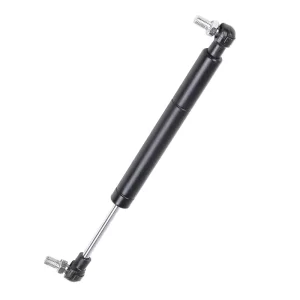
For quantities above 1,000 units annually, we offer consignment stocking arrangements that reduce your inventory carrying costs while ensuring supply continuity. Contact our technical sales team at info@yearbenshocks.com with your annual volume forecast and application details to discuss pricing and logistics arrangements.
Questions Procurement Teams Ask About Driver Seat Dampers
How do I determine the correct damping force for my application?
The correct damping force depends on the suspended mass range, the spring rate of the seat suspension, and the vibration input spectrum from the vehicle. Start by measuring or estimating the total suspended mass including the seat, occupant, and any attached components. Calculate the natural frequency of the suspension system using the spring rate. The damping coefficient should typically provide a damping ratio between 0.2 and 0.4 for comfort applications, higher for off-road use where bottoming prevention is the priority. If you have vibration measurement data from your vehicle, share it with your damper supplier for a more precise recommendation.
Can I use the same damper for trucks and buses?
Trucks and buses have different vibration characteristics, operator weight distributions, and duty cycles that usually require different damper specifications. Highway trucks typically need dampers optimized for higher frequency, lower amplitude inputs, while buses must handle the additional complexity of passenger-induced load variations and frequent stop-start cycles. Using a truck-spec damper in a bus application often results in complaints about ride harshness during passenger loading and unloading. Specify separately for each vehicle type unless your supplier can demonstrate that a single configuration meets both sets of requirements.
What causes a seat damper to lose damping force over time?
Damping force degradation occurs through several mechanisms. Oil viscosity breakdown from repeated heating cycles reduces the pressure differential across the piston valves. Shim stack fatigue allows the valve elements to deflect more easily, lowering the flow resistance. Internal bypass past worn seals or scratched cylinder bores reduces the effective working pressure. Chrome plating wear on the piston rod eventually allows seal damage that permits oil loss. Regular inspection of damper performance during scheduled maintenance can identify degradation before it affects operator comfort.
How do I evaluate whether a supplier can maintain quality at higher volumes?
Request statistical process control data for critical parameters like damping force consistency and seal leak rates. Ask about their capacity utilization and what happens to lead times if your order increases by 50%. Visit the factory to observe the production flow and identify potential bottlenecks. Check whether they have redundant equipment for critical processes like chrome plating and seal assembly. A supplier running at 90% capacity with single-point-of-failure equipment will struggle to maintain quality when demand increases.
What documentation should I require with each shipment?
At minimum, require a certificate of conformance stating that the units meet your specification, batch traceability information linking each unit to raw material lots, and sample test data from the production run. For critical applications, request 100% test data showing the damping force measurement for each unit. Material certifications for the chrome plating, seals, and oil should be available on request even if not included with every shipment. Establish the documentation requirements in your purchase order to avoid disputes later.
If your seat damper program involves specifications not covered here, reach out with your requirements and we can confirm whether our standard configurations apply or whether custom development is needed.
Industry Standards and Technical References
ISO 4253 — Agricultural tractors: Operator’s seating accommodation, 2019
If you’re interested, check out these related articles:
Damping-Adjustable-Shock-Absorber
Gas Charged Dual Rate Coilover Shock Absorber
Customized Steering Dampers 24mm
Best-Off-Road-Shocks
Ride-on Mower Shock Absorbers 38mm, Shock Absorber Manufacturer