
A gas shock absorber losing pressure degrades handling precision and ride comfort because nitrogen escapes through worn seals, shaft scoring, or a damaged charging valve, and a simple recharge rarely fixes the root cause. Most guides stop at suggesting a replacement, but from years of teardowns and factory-level rebuilding, the real decision comes down to the internal condition of the floating piston, the rod seal, and the shaft itself. This article walks through the symptoms, the failure mechanisms that cause pressure loss, and a practical framework to determine whether a recharge, a rebuild, or a full replacement makes engineering and economic sense.
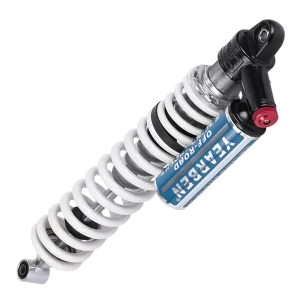
Signs Your Gas Shock Absorber Is Losing Pressure
Before assuming a shock needs replacement, confirm the pressure loss actually exists. The most common symptom is a soft, bouncy ride where the vehicle wallows after bumps instead of settling quickly. On off-road ATVs or UTVs, you may also notice increased body roll, nose-diving under braking, or a tendency to bottom out over terrain that the suspension previously handled. A visual inspection of the shaft for oil residue is another indicator: a slight dampness around the rod seal often accompanies nitrogen loss, though a shock can lose pressure without an obvious external leak if the floating piston o-ring or the Schrader valve core is leaking internally.
How do I know if my gas shock absorber is losing pressure?
A definitive check requires removing the shock and compressing it by hand. A healthy nitrogen-charged shock will extend on its own when released; one with near-zero charge offers little to no rebound force. Compare the resistance to a known-good shock of the same model or, if available, perform a nitrogen pressure test through the Schrader valve using a no-loss chuck and a high-resolution gauge. In our experience, drivers often mistake worn springs or binding linkage for a bad shock, so isolating the damper is essential.
Why Gas Shocks Lose Nitrogen Pressure
The nitrogen charge in a monotube or piggyback shock stays separate from the oil through a floating piston. That piston relies on a dynamic o-ring and a perfectly smooth bore surface. When the floating piston seal degrades, nitrogen migrates into the oil side, causing aeration and a soft pedal feel that degrades into full damping fade. The rod seal is another common failure point: as dirt and grit embed in the wiper, micro-scratches form on the shaft, which then chew the rod seal lip and create a leakage path for both oil and gas. I have opened shocks where the shaft looked fine to the naked eye but measured 0.02 mm out-of-round after a season of desert racing, enough to compromise seal life within hours of a rebuild.
Less visible but equally critical is the Schrader valve core. A speck of debris, corrosion, or a loose core can bleed the charge over days. The root cause is rarely the valve itself – it is moisture entering the charge port and damaging the seat. Once the nitrogen pressure drops below roughly 40–50 psi, the oil can no longer maintain a stable emulsion in emulsion-type shocks, and cavitation begins almost immediately under repeated cycling.
Can I just recharge a gas shock absorber at home?
Recharging alone is rarely a lasting fix. If the floating piston or rod seal already has damage, the new nitrogen will escape again, often within a ride or two. We have seen customers waste two or three nitrogen bottles chasing a leak that a $5 seal kit and a quick bore hone would have solved. Unless a recent pressure check confirmed the charge was accidentally lost through a loose valve core with no other symptoms, a recharge without a rebuild trades a few dollars for a false sense of security.
Recharge, Rebuild, or Replace: Making the Right Decision
The decision comes down to three pieces of information: the measured nitrogen pressure before any work, the condition of the shaft surface and bore, and the cost of a proper rebuild kit versus a new unit. If the shock still holds some pressure and the oil is clean with no metallic particles, a recharge may keep it serviceable for the remainder of its life. However, if the oil is dark, smells burnt, or shows a silver shimmer, the floating piston has been bypassing and the oil is loaded with wear debris. That debris has already circulated through the valving stack, eroding shims and piston bands. At that stage, a rebuild is the minimum, and a replacement is often the cheaper option once labor is factored in – especially for non-rebuildable welded-body shocks.
| Condition | Nitrogen Pressure | Oil Condition | Recommended Action |
|---|---|---|---|
| Loose valve core only | 50–100 psi | Clean | Recharge, monitor |
| Mild seal weep | 10–50 psi | Slightly dark | Rebuild with seal kit |
| Full pressure loss | 0 psi | Dark, metallic | Rebuild or replace |
| Shaft scoring visible | 0 psi | Contaminated | Replace unit |
If your vehicle sees high-mileage commercial use or you rely on consistent damping for driver seat suspension, a fresh factory-charged monotube shock with a known nitrogen retention history is a safer long-term investment than gambling on a rebuild that may not restore full piston band seal.
How much does it cost to rebuild a gas shock?
Rebuild costs vary widely by region and shock complexity. A basic seal kit for a common 2.0-inch monotube shock costs $20–$40, with labor adding $50–$100 per shock at a dedicated rebuild shop. Bypass or reservoir shocks with multiple tubes and external adjusters can run $150–$250 per unit. If you are sourcing rebuild kits for a fleet or OEM supply chain, specifying the exact seal compound and nitrogen charge pressure to your supplier can cut per-unit costs while eliminating the variability of local rebuild quality.
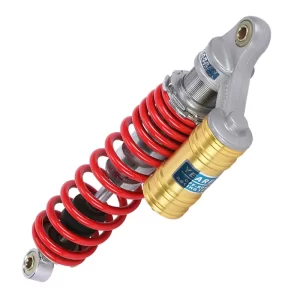
How to Properly Rebuild and Recharge a Gas Shock
A correct rebuild starts with full disassembly and a thorough solvent cleaning of all internal components. The bore must be inspected with a bore gauge for ovality and scoring, and the shaft checked with a micrometer at the seal travel area. Before installing new seals, the floating piston should be pressed through the bore dry to verify consistent drag – a tight spot will destroy the new o-ring within cycles. In our factory, we measure bore finish to Ra 0.2 μm or finer on monotube bodies because anything rougher accelerates seal wear and allows the nitrogen to bypass.
After assembly, the shock is filled with degassed oil, cycled to bleed air, and the floating piston inserted at the correct depth to set the gas chamber volume. Charging must use dry nitrogen, never compressed air, which contains moisture and oxygen that degrade seals and cause cavitation. We target a charge pressure that matches the original design spec, typically 150–250 psi for most off-road monotube shocks, verified on a calibrated gauge after temperature stabilization. A quick dyno pull confirms the damping curve matches baseline.
Selecting a Replacement Gas Shock Absorber
When the cost of a rebuild approaches the price of a new, quality-built unit, replacement becomes the smarter choice. Look for a shock that specifies the nitrogen charge pressure, seal material (nitrile vs. PTFE for high-temperature use), and the bore surface finish. Many catalog-sourced shocks are priced attractively but feature unrated seals and a Schrader valve that begins bypassing within 50 hours of trail use. For OEM buyers, requesting batch test reports that include nitrogen loss rates after a 48-hour pressure hold separates a serious supplier from a warehouse box-shifter.
Yearben’s nitrogen-charged monotube shocks for ATV, UTV, and off-road applications are built with chrome-plated hardened shafts, precision-honed bores, and a dual-seal rod guide that minimizes pressure loss across extended service intervals. Each unit is pressure-tested before packaging to confirm a leak-down rate under the specified threshold. For custom projects, our engineers configure the damping curve and charge pressure to the vehicle weight, travel, and intended terrain, so the shock arrives ready to bolt on without additional valving work.
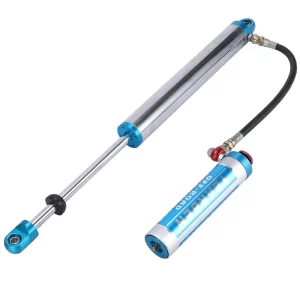
Getting a Reliable Fix for Your Gas Shock Absorber
A shock that slowly loses nitrogen turns a competent suspension into an unpredictable one, and chasing the pressure loss with repeated recharges piles on downtime without solving the underlying wear. Whether you need a rebuild kit, a factory-fresh replacement, or a custom valving specification for a fleet, sharing your part number and the vehicle’s use case gets you a recommendation based on actual engineering, not a catalog cross-reference. Send your requirements to info@yearbenshocks.com or call +86-523-86566899.
Common Questions About Gas Shock Absorber Pressure Loss
How long does a gas shock rebuild last?
A properly executed rebuild with quality seals in an undamaged bore typically lasts 80–100% of the original shock’s service life, sometimes longer if the oil is changed at regular intervals. However, if the shaft was not polished or the floating piston had a tight spot from wear, the rebuild can fail in under 20 hours of aggressive use. In our experience, the single biggest factor is bore cleanliness: a single stray metal chip from the old piston band embedded in the new seal will cut it on the first cycle.
Can I rebuild my gas shock myself?
Disassembly and seal replacement are mechanically straightforward for a coilover-style monotube with a threaded body, but proper nitrogen charging and oil bleeding require specialized tools, including a nitrogen bottle with a no-loss chuck, a vacuum bleeder, and a shock dyno to verify the curve. Without those, a DIY rebuild frequently results in trapped air that causes a dead spot at the top of the stroke and inconsistent damping. For riders competing, we recommend a professional rebuild with documented pressure and dyno results.
What nitrogen pressure should my gas shock be charged to?
The target pressure depends on the shock’s design and the damping curve. Most 2.0-inch off-road monotube shocks are charged between 150 and 250 psi, but a high-volume reservoir shock with a large floating piston may only need 100 psi. Exceeding the design pressure stiffens the spring rate of the gas charge and can make the shock harsh over small chatter. If the original spec is unavailable, starting at the lower end of the range and adjusting based on ride feel is safer than guessing.
Does a low-pressure gas shock damage other suspension components?
Yes, because the damping force collapses under sustained cycling, the spring and linkage absorb more energy, accelerating bushing wear and potentially over-stressing the shock mounts. In link-based rear suspension, a dead shock allows the axle to oscillate beyond design limits, hammering the heim joints and put the mounting bolts in shear. The cost of replacing a shock early is almost always less than repairing collateral damage.
Should I replace both shocks if one loses pressure?
If the pair has comparable hours and the unaffected shock still passes a pressure test, replacing only the failed one is acceptable. However, if the failed shock lost pressure due to a systematic issue like a batch of poor seals or uncorrected shaft scoring, the second shock is likely close behind. For fleet vehicles and OEM applications where downtime costs exceed part cost, replacing both as a matched set resets the service interval and eliminates the risk of a mismatch developing mid-season. If your program requires consistent damping across multiple units, share your maintenance schedule and we can help plan replacement intervals around your operating hours.
If you’re interested, check out these related articles:
Twin-Tube-Hydraulic-Seat-Damper-28MM
Heavy duty seat damper 35mm, Shock Absorber Manufacturer
4X4-Heavy-Duty-Suspension
2-0-Air-Shock